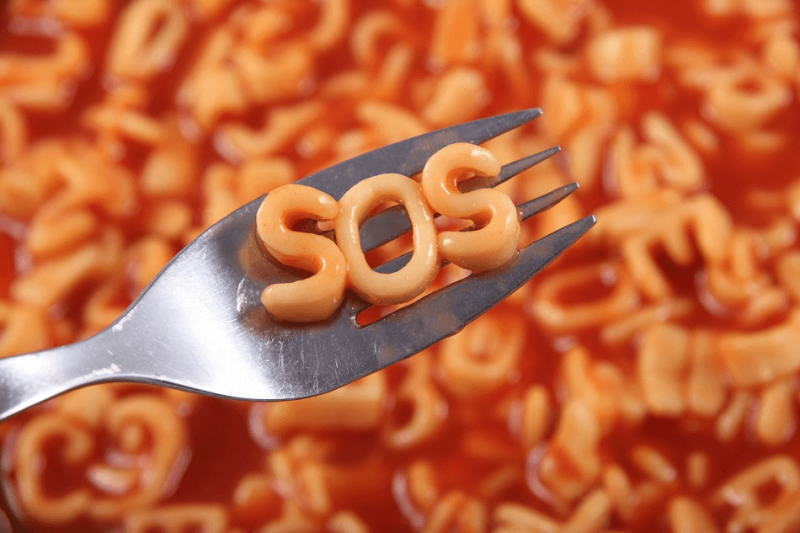
Ultra-processed foods are popular because they’re convenient, ready to eat, and usually less expensive than other foods. However, they tend to be high in added sugar, salt and saturated fat, not to mention the processing depletes the food’s nutritional value. Extensive research has already indicated how detrimental ultra-processed foods are to your physical health — but what about your mental health?
Authors of a 2022 Public Health Nutrition study analyzed the data from a nationally representative sample of the U.S. population. They found that people with a higher intake of ultra-processed foods were more likely to report having mentally unhealthy or anxious days and symptoms of mild depression. Studies like these demonstrate how much food can impact an individual’s mental health.
Ultra-processed foods can induce inflammation in the gut and body, and this inflammation is correlated with depressive or anxious symptoms, says Uma Naidoo, a nutritional psychiatrist at the Massachusetts General Hospital and author of This is Your Brain on Food, who was not involved in the study.

Although correlation isn’t causation, it’s possible for someone who consumes less ultra-processed foods to have lower odds of depression or anxiety. That’s because the gut microbiome and the brain remain closely connected through the vagus nerve (also known as the gut-brain connection). It acts as a fast two-way highway sending signals and chemicals back and forth, explains Naidoo.