
Armed with an ice-axe and crampons, buffeted by frigid Arctic winds in temperatures that hovered around -28C (-20F), Pat Druckenmiller was searching for something special.
What the team found was extraordinary. “We didn’t have just one or two kinds of baby dinosaurs, we actually have evidence for seven different groups of dinosaurs, including plant-eaters and meat-eaters, small species and large species,” says Druckenmiller.
Importantly, the fact that the dinosaurs were nesting means they almost certainly weren’t migrating away when it got colder. Some common species of dinosaurs, such as the duck-billed hadrosaurs, needed six months to incubate their eggs – so if the mothers started sitting on them in the spring, it would be almost winter by the time they hatched.
…
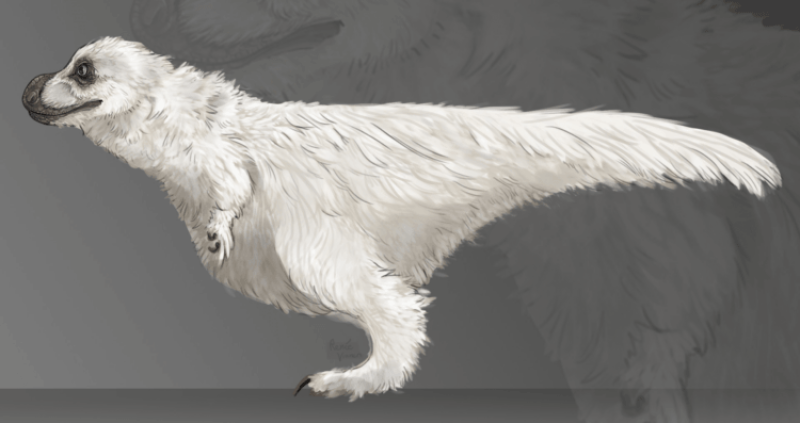
Druckenmiller thinks it’s likely that the Alaskan dinosaurs had at least some distinguishing features, such as behaviours that evolved to help them cope in Arctic conditions. “There’s reason to believe that maybe some of the smaller species, especially the plant-eaters, maybe some of these were small enough to make a burrow and hibernate over the winter,” he says.




…
Another possibility is that dinosaurs coped with the cold much like many modern-day mammals do, by building up a layer of body fat. Druckenmiller gives the example of moose and caribou, which pile on the weight each summer, then survive on a combination of their fat reserves and low-quality forage in the winter when food is sparse – a strategy which has the added bonus of keeping them warm. “…they do it by basically slowly starving,” he says. “There’s no reason why dinosaurs couldn’t have done that.”