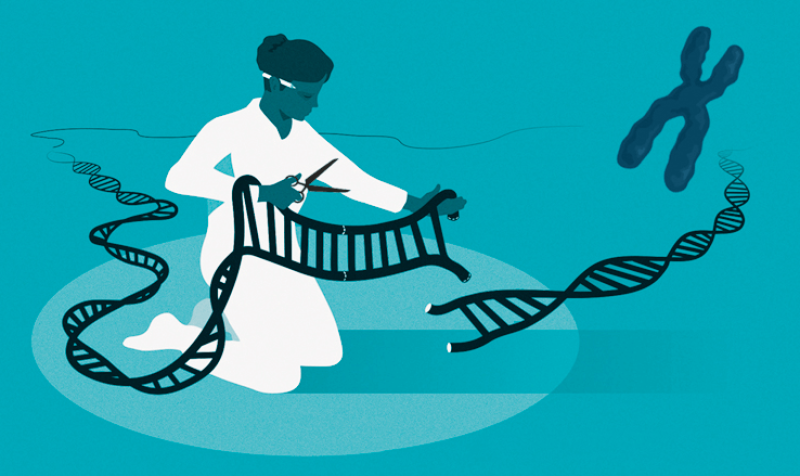
In the decade since CRISPR genome editing emerged, scientists have developed a toolkit to tackle the most pressing issues facing humanity and the planet. With the capacity to precisely edit the genomes of crop plants, we can alter nutritional content to combat malnutrition, remove toxins from staple foods like cassava, increase yields to fight hunger, and improve pest resistance, reducing the need for agrochemical inputs. Edited products could also introduce adaptations to address drought and flood resistance, increase biodiversity, and help to capture more carbon, restoring farm soils and improving the fertility of marginal lands. The benefit of CRISPR extends beyond the development of products. As a research tool it can be used to conduct genetic screens, unlocking new biological pathways and expanding our knowledge of the genome and the functional impact of mutations, all of which provide us with new options for future applications.
Individuals should have the ability to choose products that meet their needs and adhere to their belief systems. A consumer of the future may choose an edited variety because they prioritize sustainability, animal welfare, have allergies, or prefer the taste. A farmer of the future may choose to grow an edited crop because it preserves a favoured variety while making it more resilient to a changing climate, or because it increases yield, or captures carbon from the atmosphere. A successful path to the future is one that includes informed choice.
It is my hope that this report will serve as a guiding document for those seeking to responsibly and equitably deploy genome editing technologies. All of human health depends on agriculture. It has been just over 10 years since CRISPR genome editing emerged as a tool; now it is time to wield it wisely.