Cancer cure using mRNA technology? Progress in treating melanoma inching forward but challenges are large

Cancer vaccine hunt makes progress
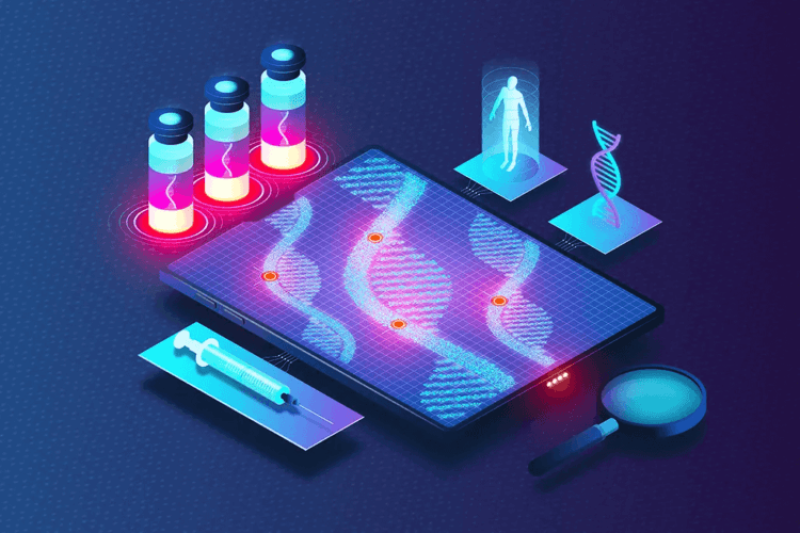
Credit: Health Advances Blog

The long-awaited cancer vaccine revolution is getting a little closer to reality. New data from Moderna Inc. and Merck & Co. suggest that after decades of failures, researchers are finally figuring out the right way to design a vaccine that can teach immune cells how to recognize and combat tumors.

Earlier this month, the companies said that when used in concert with Merck’s cancer immunotherapy Keytruda, Moderna’s mRNA cancer vaccine reduced the risk of certain skin cancers from returning or patient deaths by 44% compared with Keytruda alone.

Follow the latest news and policy debates on sustainable agriculture, biomedicine, and other ‘disruptive’ innovations. Subscribe to our newsletter.

That number justly generated a lot of excitement. It’s the first time an mRNA-based cancer vaccine has proven itself in a randomized study, and with an unambiguously positive outcome. If that result holds up in larger trials, it would be a huge advance both for the mRNA technology behind Covid vaccines and for the field of cancer vaccines in general.

But there are a lot of steps between achieving early, positive data for a subset of melanoma patients and developing a widely accessible, cost-effective treatment. Among the more daunting challenges: The vaccine needs to be tailored to the genetic makeup of an individual patient’s tumors.


This is an excerpt. Read the full article here

{{ reviewsTotal }}{{ options.labels.singularReviewCountLabel }}
{{ reviewsTotal }}{{ options.labels.pluralReviewCountLabel }}
{{ options.labels.newReviewButton }}
{{ userData.canReview.message }}

Related Articles

Infographic: Global regulatory and health research agencies on whether glyphosate causes cancer

Infographic: Global regulatory and health research agencies on whether glyphosate causes cancer

Does glyphosate—the world's most heavily-used herbicide—pose serious harm to humans? Is it carcinogenic? Those issues are of both legal and ...

Most Popular

wuhan institute of virology main entrance
​​COVID lab leak? Making a case that the Wuhan market origins theory is wrong
ChatGPT-Image-Mar-10-2026-01_39_01-PM
Viewpoint—“Miracle molecule” debunked: Why acemannan supplements don’t work
Screenshot-2026-06-05-at-2.12.30-PM
Some plants can poison you. So how did humans figure out what is safe to eat?
ChatGPT-Image-Jun-9-2026-01_11_37-PM
Turmeric supplements: More risks than benefits
ChatGPT Image May 26, 2026, 08_42_17 AM (1)
Viewpoint: Greenpeace and poison: How environmental advocacy groups rely on compliant (and often ignorant) journalists to spread disinformation and spark litigation
Screenshot-2026-06-17-at-9.44.03-AM
Viewpoint: Embryos are becoming the newest battleground of love, loss, and legal uncertainty
ChatGPT-Image-Jun-14-2026-09_41_44-AM-2
Viewpoint—‘The gleeful efficiency of an arsonist’: Administration’s health and science research cuts are ‘sabotaging’ America’s future
ChatGPT-Image-Jun-11-2026-01_15_03-PM
Selective Pressure, Selective Silence

Sorry. No data so far.

glp menu logo outlined

Get news on human & agricultural genetics and biotechnology delivered to your inbox.