
There is a push to use CRISPR to make agricultural technologies that pull carbon dioxide (CO2) out of the air and store it better in the soil. With the help of CRISPR technology, scientists are making gene edited plant varieties that are better at storing carbon and don’t have the traits of genetically modified organisms (GMOs) that are made with transgenes.
Many research projects have sprung up to enhance biological carbon sequestration and thereby help restore balance to the carbon cycle and prevent further buildup of CO2 in the atmosphere.
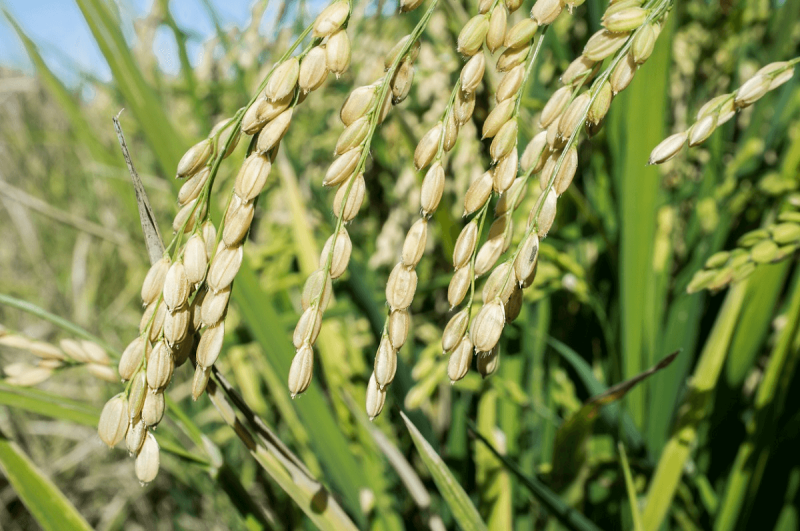
The [Innovative Genomics Institute, or] IGI has started with rice as the model organism. “If we succeed in rice, there are going to be homologues in other grass varieties,” [Executive Director Bradley] Ringeisen predicts. “Simultaneously, we’re working to try to improve the genetic tractability of sorghum, a really deep-rooted crop that can be used for carbon capture and grain for livestock feed. It’s also a bioenergy crop, so you can imagine converting some of the above-ground biomass into bio-oils or other forms of bioenergy as well. We really see this potentially blooming out into a lot of different areas to really have global impact.”