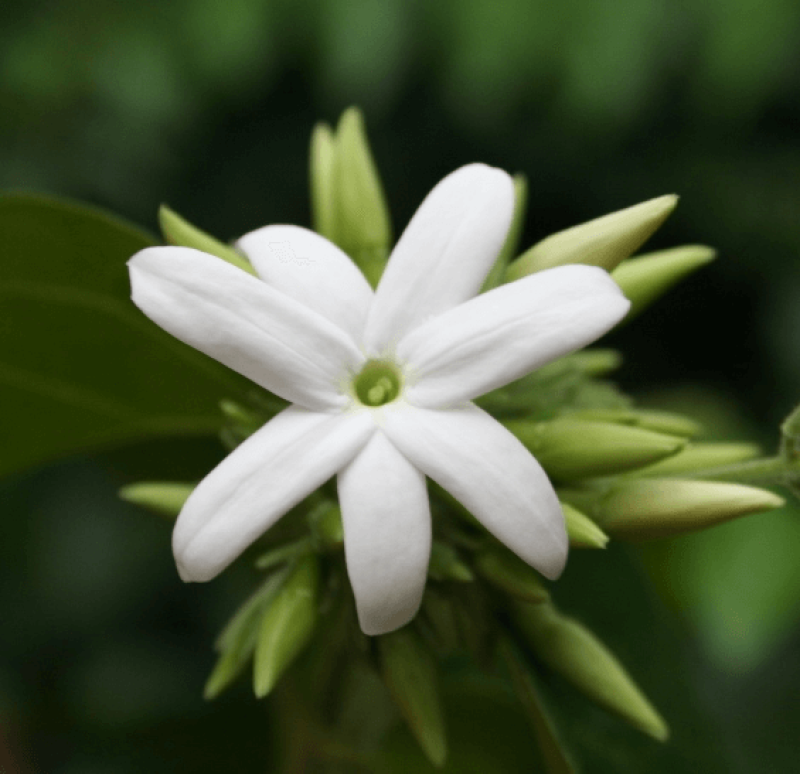
$10,500 for a bottle of perfume made with 8,000 flowers? Synthetic biology makes royal fragrances available at a fraction of that price

Credit: നിരക്ഷരൻ via CC-BY 3.0

Perfume has historically been the indulgence of the rich. Many of the ingredients used by the nobility to scent the bodies and quarters are rare, hard to source, and require massive amounts of material to produce. For example, it takes 252,000 individual petals (or 8,000 flowers) to produce just 5 milliliters of rose oil. Delicate jasmine flowers are hand-picked in the early hours of dawn to capture their blooming scent. And orange blossoms can only be collected for about two weeks a year due to the short flowering cycle.

Today, perfumers do not have to go to such great lengths to get ingredients. Thanks to the advances in synthetic biology, many of the molecules traditionally sourced from plant or animal materials, can now be produced in engineered microbes using precision fermentation.

Follow the latest news and policy debates on sustainable agriculture, biomedicine, and other ‘disruptive’ innovations. Subscribe to our newsletter.

Conagen has recognized this huge industry problem and has been working to develop clean, sustainable, and cost-effective natural fragrance ingredients using the power of synthetic biology. With the help of DNA sequencing, gene editing, and precision fermentation, scientists at Conagen are recreating the coveted ingredients from rare plants and animals in lab-grown yeast. They are working in partnership with Sensegen, the Flavor & Fragrance division of Blue California, to identify priorities based on areas of consumer demand and tune the quality, purity, and price of their ingredients.


{{ reviewsTotal }}{{ options.labels.singularReviewCountLabel }}
{{ reviewsTotal }}{{ options.labels.pluralReviewCountLabel }}
{{ options.labels.newReviewButton }}
{{ userData.canReview.message }}

Related Articles

Infographic: Global regulatory and health research agencies on whether glyphosate causes cancer

Infographic: Global regulatory and health research agencies on whether glyphosate causes cancer

Does glyphosate—the world's most heavily-used herbicide—pose serious harm to humans? Is it carcinogenic? Those issues are of both legal and ...

Most Popular

ChatGPT-Image-Jun-25-2026-12_23_17-PM
No, Bill Gates did not secretly engineer ticks to promote veganism
ChatGPT-Image-Jun-23-2026-03_12_23-PM
Is cellular reprogramming junk science? Nearly 20 patients are getting eye injections in the first FDA-cleared cellular trial
ChatGPT-Image-Mar-10-2026-01_39_01-PM
Viewpoint—“Miracle molecule” debunked: Why acemannan supplements don’t work
Screenshot-2026-06-15-at-1.55.27-PM
America's trust in Trump-Kennedy's CDC health recommendations is plunging
ChatGPT-Image-Jun-17-2026-10_52_43-AM
Anguished parents, doctors in tears: Utah’s long measles outbreak takes a toll
ChatGPT-Image-Jun-24-2026-11_36_47-AM
Why the human genome is less a script than a puzzle
ChatGPT-Image-May-18-2026-12_06_18-PM-2
Defying death: The immortality movement goes mainstream
Screenshot-2026-06-05-at-2.12.30-PM
Some plants can poison you. So how did humans figure out what is safe to eat?

Sorry. No data so far.

glp menu logo outlined

Get news on human & agricultural genetics and biotechnology delivered to your inbox.