Mediterranean diet: Eating vegetables, nuts, whole grains and fish may reduce dementia risk — even for those with genetic predispositions

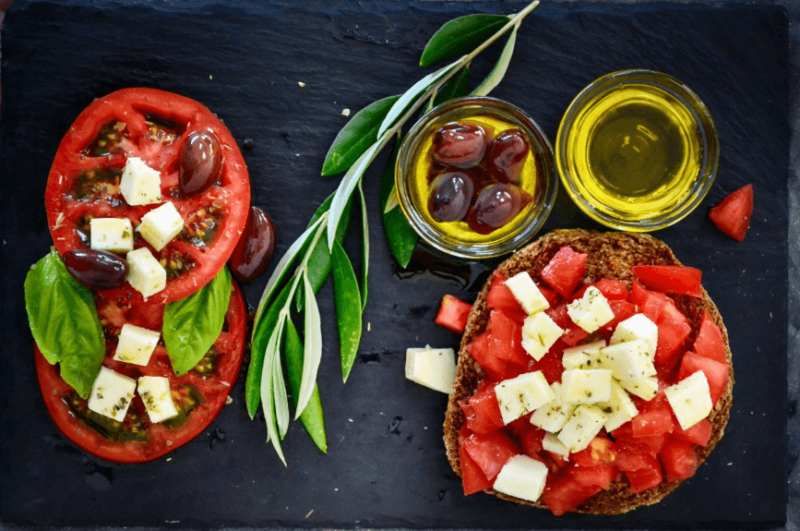
Credit: PxHere via CC0-1.0

A diet that is rich in seafood, fruit, vegetables, nuts and olive oil may lower the risk of dementia, a new study suggests.

An analysis of data from more than 60,000 seniors revealed that choosing to follow a Mediterranean diet reduces a person’s likelihood of developing dementia by nearly one quarter, even among those with genes that put that at greater risk, according to the report published [March 14] in the medical journal BMC Medicine.

Follow the latest news and policy debates on sustainable agriculture, biomedicine, and other ‘disruptive’ innovations. Subscribe to our newsletter.

The new research adds to the mounting evidence that diet can impact the risk of dementia even in people who are at a higher risk because of their genes, said Dr. Thomas Wisniewski, a professor of neurology, pathology and psychiatry and director of the Alzheimer’s Disease Research Center and the Center for Cognitive Neurology at NYU Langone.

The new study found almost a one-quarter reduction in risk for dementia, Wisniewski said. “That’s a pretty big risk reduction, by doing something that is not that challenging,” he added.

While it’s not known exactly how the Mediterranean diet could reduce the risk of dementia, it likely has multiple effects, ranging from reducing antioxidants, helping to tamp down inflammation, and improving the status of the microbiome, Wisniewski said.


This is an excerpt. Read the original post here

{{ reviewsTotal }}{{ options.labels.singularReviewCountLabel }}
{{ reviewsTotal }}{{ options.labels.pluralReviewCountLabel }}
{{ options.labels.newReviewButton }}
{{ userData.canReview.message }}

Related Articles

Infographic: Global regulatory and health research agencies on whether glyphosate causes cancer

Infographic: Global regulatory and health research agencies on whether glyphosate causes cancer

Does glyphosate—the world's most heavily-used herbicide—pose serious harm to humans? Is it carcinogenic? Those issues are of both legal and ...

Most Popular

ChatGPT-Image-May-7-2026-12_16_37-PM-2
Viewpoint: Are cancer rates ‘skyrocketing’ as RFK, Jr. and MAHA claims? The evidence says mostly the opposite
Screenshot-2026-04-13-at-1.39.26-PM
Viewpoint: ‘Safer for children?’ Stonyfield yogurt under fire for deceptive organic marketing
Screenshot-2026-04-22-at-10.46.29-AM
Viewpoint: How to counter science disinformation? Science journalist offers 12 practical tips
png-pill-omega-Supp-fish-oil
Millions take omega-3 fish oil for brain health. New research suggests it may do the opposite.
ChatGPT Image May 14, 2026, 09_51_35 PM
Facebook swamped by hundreds of thousands of scam ads for illegal or dangerous medical products
ChatGPT Image May 12, 2026, 01_21_30 PM
How big health brands are funding online medical misinformation 
Screenshot-2026-04-23-at-11.00.36-AM
Regulators' dilemma: Thalidomide, Metformin, and the cost of getting drug approvals wrong
Picture1-5
Science Disinformation Gap: The transatlantic battle over social media and censorship
ChatGPT-Image-May-13-2026-12_43_37-PM-2
Longevity: Is cellular rejuvenation even possible?
ChatGPT-Image-May-12-2026-08_39_41-PM
GLP podcast: Big Pharma, Big Ag, Big Food—health harming industries or life-saving innovators?
glp menu logo outlined

Get news on human & agricultural genetics and biotechnology delivered to your inbox.