How your brain reacts to even small ‘doses’ of sugar

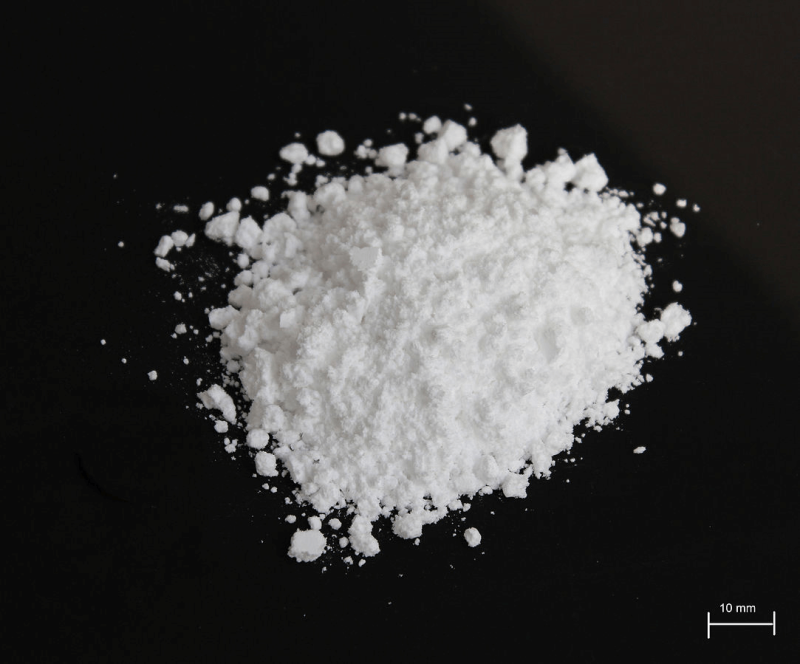
Icing sugar, but it looks like something else. Credit: Poyraz 72 via CC-BY-SA-4.0

If you’ve ever bought a box of donuts only to find it triggers a donut phase in your life, you may appreciate the findings of a new study. The research, led by a team at the Max Planck Institute for Metabolism Research and Yale University, finds that just a small daily addition of fat and sugar to the diet can trigger changes in taste preferences and to the brain pathways that underlie reward. The study was published in Cell Metabolism. Whether the changes are reversible and how long it would take to reverse them are up for grabs.

Follow the latest news and policy debates on sustainable agriculture, biomedicine, and other ‘disruptive’ innovations. Subscribe to our newsletter.

“[L]ike addictive drugs,” the authors write in their paper, “there is evidence for a causal role of diet (i.e., fat/sugar) in rewiring brain circuits to promote further seeking of energy-dense foods.”

Although the participants in the current study didn’t gain weight, it’s possible they would have over a longer time period, or with larger shifts in diet. The real takeaway is how small a dietary change can lead to alterations in the brain and in taste preferences, likely below the level of conscious perception.


{{ reviewsTotal }}{{ options.labels.singularReviewCountLabel }}
{{ reviewsTotal }}{{ options.labels.pluralReviewCountLabel }}
{{ options.labels.newReviewButton }}
{{ userData.canReview.message }}

Related Articles

Infographic: Global regulatory and health research agencies on whether glyphosate causes cancer

Infographic: Global regulatory and health research agencies on whether glyphosate causes cancer

Does glyphosate—the world's most heavily-used herbicide—pose serious harm to humans? Is it carcinogenic? Those issues are of both legal and ...

Most Popular

Screenshot-2026-04-14-at-11.11.06-AM
‘Turbo cancer’ or mRNA cancer cure? Strategies to counter misinformation
ChatGPT Image May 28, 2026, 08_16_38 PM
Viewpoint: Why the EPA mismeasures cancer risk of chemicals and what should be done to fix it
fda_logo_decimated
Viewpoint: RFK, Jr.’s FDA is on a screaming downward path—and why it may never recover
edb7f6d7-2370-418f-9578-74e29678e35c
Facts & Fallacies Podcast: Nicotine vaping—public health miracle, or risk to children? Professor Cliff Douglas
ChatGPT-Image-May-22-2026-10_56_42-AM-2
‘It’s not super useful’: As wariness about AI grows, Trump proposes rollback of healthcare safeguards
ChatGPT-Image-May-22-2026-10_26_09-AM
Gutting the National Science Board: How the Trump-RFK, Jr. crusade is erasing the separation of science and state
ChatGPT-Image-May-28-2026-11_31_47-AM-2
Relying on your doctor or AI miracle cure, death and debilitation? Neurologist makes the wrong choice
Screenshot-2026-05-27-at-10.51.25-AM
Viewpoint: ‘Monsanto’ blues—Planned Netflix movie promises yet another round of anti-glyphosate disinformation
ChatGPT-Image-Mar-10-2026-01_39_01-PM
Viewpoint—“Miracle molecule” debunked: Why acemannan supplements don’t work
ChatGPT-Image-May-26-2026-11_51_01-AM
Viewpoint: RFK, Jr.’s ‘sadistic’ solution to autism, depression, and other ills looks a lot like prison camp
Picture1
The Orange Bowl without oranges: Can CRISPR save Florida citrus?
vax-misinformation-main
Facts & Fallacies Podcast: Limit free speech to blunt social media misinfo?
glp menu logo outlined

Get news on human & agricultural genetics and biotechnology delivered to your inbox.