Race for a cure: ‘After decades of neglect, stigma and underfunding, sickle cell is getting the red carpet treatment in science.’ Here’s what that means

b c d z
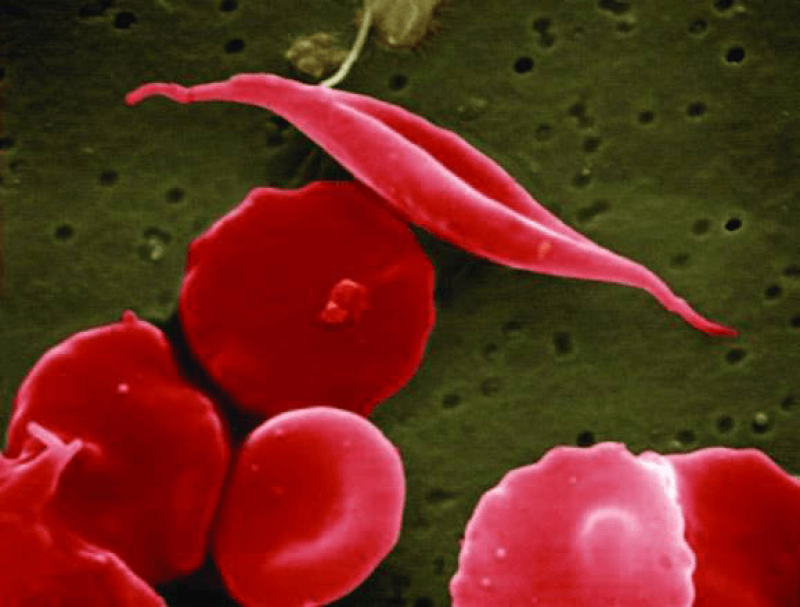
Credit: NIH/Flickr (CC BY-NC 2.0)

After decades of neglect, stigma and underfunding, sickle cell is getting the equivalent of the red carpet treatment in science. It’s the target of a competitive biotech race, with scientists and companies using a crop of cutting-edge tools to try to cure the debilitating illness.

The first gene therapies for sickle cell, including one based on the buzzy, Nobel Prize-winning technique called CRISPR, will be reviewed by regulators this year, and companies are preparing to launch the medicines if they get the green light. That puts the country at the cusp of two frontiers: a new era in treating a tragically overlooked disease, and the beginning of what could be a CRISPR revolution in medicine.

It’s a dramatic about-face for sickle cell patients, who have often felt abandoned by the medical system. The rare disease afflicts about 100,000 people in the United States, most of them Black. Racism at both the institutional and interpersonal level has stymied funding and alienated patients.

Follow the latest news and policy debates on sustainable agriculture, biomedicine, and other ‘disruptive’ innovations. Subscribe to our newsletter.

“The hope,” said [Sick Cells president Ashley] Valentine, “is that if the feds and governments and society can figure this out with sickle cell, they can figure this out with other diseases.”


This is an excerpt. Read the full article here

{{ reviewsTotal }}{{ options.labels.singularReviewCountLabel }}
{{ reviewsTotal }}{{ options.labels.pluralReviewCountLabel }}
{{ options.labels.newReviewButton }}
{{ userData.canReview.message }}

Related Articles

Infographic: Global regulatory and health research agencies on whether glyphosate causes cancer

Infographic: Global regulatory and health research agencies on whether glyphosate causes cancer

Does glyphosate—the world's most heavily-used herbicide—pose serious harm to humans? Is it carcinogenic? Those issues are of both legal and ...

Most Popular

ChatGPT-Image-Jun-15-2026-11_00_13-AM-2
Glucosamine alert: Alzheimer’s progresses faster among those taking the popular supplement
Screen Shot at AM
Facts & Fallacies Podcast: Right-wing politics bad for your health? Separating speculation from science
ChatGPT-Image-Jun-9-2026-01_11_37-PM
Turmeric supplements: More risks than benefits
ChatGPT-Image-Jun-15-2026-12_13_41-PM
Viewpoint: Behind the effort to re-purpose the tobacco attack strategy to fight ultra-processed foods
ChatGPT-Image-Jun-3-2026-04_29_13-PM
Viewpoint: While unvaccinated children are dying overseas, Congress challenges Trump and Kennedy’s block on aid
Screenshot-2026-06-12-at-2.10.55-PM
Physician warns online statin myths delay care and raise heart risk
ChatGPT-Image-Mar-10-2026-01_39_01-PM
Viewpoint—“Miracle molecule” debunked: Why acemannan supplements don’t work
Screenshot-2026-06-14-at-9.14.26-AM
‘Humanitarian catastrophe’: Trump’s USAID shutdown could help drive nearly 23 million deaths — including 5.4 million children — by 2030, Lancet study warns
ChatGPT-Image-Jun-14-2026-09_41_44-AM-2
Viewpoint—‘The gleeful efficiency of an arsonist’: Administration’s health and science research cuts are ‘sabotaging’ America’s future
ChatGPT-Image-Jun-11-2026-01_15_03-PM
Selective Pressure, Selective Silence
Screenshot-2026-06-05-at-2.12.30-PM
Some plants can poison you. So how did humans figure out what is safe to eat?
ChatGPT-Image-Jun-15-2026-10_42_06-AM
Viewpoint: ‘Steroid Olympics’ marketing stunt: ‘It seemed less like a sporting event and more like a loss leader to peddle testosterone injections, GLP-1s, and peptides’
glp menu logo outlined

Get news on human & agricultural genetics and biotechnology delivered to your inbox.