‘Dessert stomach effect’: Here’s why you still want sweets even after a huge meal

‘Dessert stomach effect’: Here’s why you still want sweets even after a huge meal
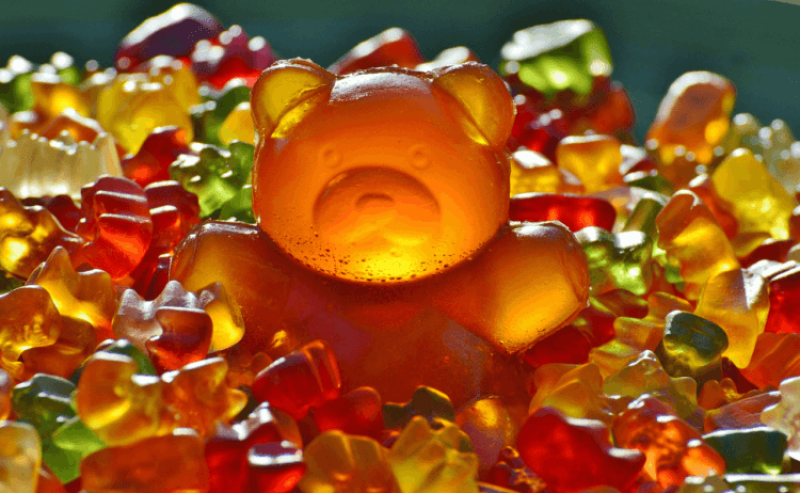
Credit: Pixabay/ Alexas Fotos

Jelly babies, vanilla fudge, cola bottles, or giant strawbs – most people have their favourite sweets. But what actually happens in the body when we eat sweets?

We asked Professor Simon Erling Nitter Dankel, who researches medicine and biochemistry at the Mohn Nutrition Research Laboratory at the University of Bergen.

Dankel explains that one of the first things that happens in the body when we eat sugar is something called the ‘dessert stomach effect’.

The effect is that the stomach expands and empties faster when exposed to sweets.

“There are receptors in the stomach that sense something sweet. It can help relax the stomach, causing it to expand,” Dankel says.

Follow the latest news and policy debates on sustainable agriculture, biomedicine, and other ‘disruptive’ innovations. Subscribe to our newsletter.

Dankel explains that the craving for sugar is related to a reward response in the brain triggered by the happiness hormone dopamine.

It is possible to reduce cravings by eating less sugar.

“It has a self-reinforcing effect. The more sweet food you eat, the more you may feel like having sweets,” Dankel says.


This is an excerpt. Read the full article here

Related Articles

Infographic: Global regulatory and health research agencies on whether glyphosate causes cancer

Infographic: Global regulatory and health research agencies on whether glyphosate causes cancer

Does glyphosate—the world's most heavily-used herbicide—pose serious harm to humans? Is it carcinogenic? Those issues are of both legal and ...

Most Popular

ChatGPT-Image-Mar-10-2026-01_39_01-PM
Viewpoint—“Miracle molecule” debunked: Why acemannan supplements don’t work
Screenshot-2026-09-10-at-11.50.46-AM
Did COVID vaccines kill 2,500 service members? RFK Jr. hires an investigator who compares vaccine promoters to Nazi doctors
Screenshot-2026-09-11-at-2.26.23-PM
Newly approved GMO chestnut trees planted across from the White House are stirring debate
Screenshot-2026-09-16-at-12.07.47-PM
The heated debate over trans athletes in the WNBA
Screenshot-2026-09-15-at-11.04.54-AM
Viewpoint: Childhood deaths in dispute: Why the CDC vs Pennsylvania conflict over measles vaccines matters
Screenshot-2026-09-10-at-12.20.19-PM
'Jet fuel didn't melt the steel': 9/11 conspiracy theories debunked
ChatGPT-Image-Sep-9-2026-02_48_24-PM
Viewpoint: Trump-RFK Jr. report on “Gender Ideology & Left-wing Ideology’ targets LGBTQ community—and science
Screenshot 2026-09-10 at 11.28
A meaty problem: How to make cell-grown protein taste like steak, chicken, and seafood
ChatGPT-Image-Aug-28-2026-03_33_46-PM
Viewpoint: Bad science—Five bogus Trump administration claims about vaccines and autism
ChatGPT-Image-Sep-15-2026-12_15_00-PM
Viewpoint: Women, depression and empathy: Explaining the gender gap in views about child-murderer Lindsay Clancy
ChatGPT-Image-Sep-15-2026-05_59_18-PM
RFK Jr. spent two years distancing himself from Children’s Health Defense. Now he’s keynoting its anti-vaccine DC conference.
Screenshot-2026-09-14-at-4.31.14-PM
Viewpoint: What’s the likely impact when the EPA loosens rules limiting methane pollution from oil and gas wells?
ChatGPT-Image-Sep-15-2026-11_36_23-AM
Doomsday cult? Why we should be suspicious of end-of-the-world claims
Screenshot-2026-09-17-at-12.38.46-PM
Outing students: California court says schools need not notify parents of their child’s gender identity—unless they ask
glp menu logo outlined

Get news on human & agricultural genetics and biotechnology delivered to your inbox.