Cutting back on alcohol and smoking can be almost impossible. In an unexpected twist, weight-loss drug Ozempic may help

Cutting back on alcohol and smoking can be almost impossible. In an unexpected twist, weight-loss drug Ozempic may help
Credit: Pixabay/ peggychoucair

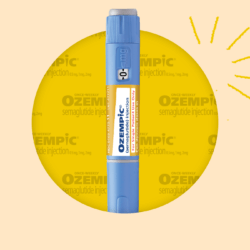
Diabetes drugs like Ozempic are emerging as a surprising and potentially game-changing way to treat addictions, including alcohol-use disorder and smoking, because of the effects they have on the brain.

Some people taking Ozempic are reporting they want to drink less or have stopped smoking altogether after starting the drug. Now, researchers are studying if the pattern holds in large groups.

Follow the latest news and policy debates on sustainable agriculture, biomedicine, and other ‘disruptive’ innovations. Subscribe to our newsletter.

Drugs like Ozempic mimic the hormone GLP-1 that is naturally released from the intestines and helps regulate glucose levels and suppress hunger.

It is also naturally produced in the brain stem—affecting activity of many brain regions, including those involved in impulse control, memory formation and reward, according to neuroscientists and endocrinologists.

GLP-1 reduces the response of the brain’s reward system to dopamine, a molecule involved in motivation and reward.

If large long-term studies show these drugs can treat alcohol-use disorder, that could have big impacts on the healthcare system, according to Dr. Brian P. Lee, an AUD specialist, liver-transplant physician and assistant professor of medicine at the University of Southern California Keck School of Medicine.

“If you’re able to treat both obesity and alcohol use at the same time, you could just imagine the effects from a public health standpoint,” he said.

This is an excerpt. Read the full article here

{{ reviewsTotal }}{{ options.labels.singularReviewCountLabel }}
{{ reviewsTotal }}{{ options.labels.pluralReviewCountLabel }}
{{ options.labels.newReviewButton }}
{{ userData.canReview.message }}

Related Articles

Infographic: Global regulatory and health research agencies on whether glyphosate causes cancer

Infographic: Global regulatory and health research agencies on whether glyphosate causes cancer

Does glyphosate—the world's most heavily-used herbicide—pose serious harm to humans? Is it carcinogenic? Those issues are of both legal and ...

Most Popular

Picture1
The Orange Bowl without oranges: Can CRISPR save Florida citrus?
global warming
‘Implausible’: Top climate scientists reject worst-case scenario—soaring temperatures and fast-rising sea levels
vax-misinformation-main
Facts & Fallacies Podcast: Limit free speech to blunt social media misinfo?
Screenshot 2026-05-22 at 11.31
‘Realistic and durable’: EPA proposes loosening restrictions on some PFAS ‘forever chemicals.’
ChatGPT-Image-May-1-2026-11_42_59-AM-2
Viewpoint: NAD is the wellness grifters latest evidence-lite longevity fad. At least the mice are impressed.
ChatGPT Image May 26, 2026, 12_06_53 PM
Fake Ebola cure promoters already cashing in as disinformation videos flood social media
Screenshot-2026-04-22-at-12.21.32-PM
Viewpoint: Why the retracted Monsanto glyphosate study doesn’t change the science—the world’s most popular herbicide is safe 
ChatGPT Image May 24, 2026, 03_16_36 PM
Here come the biohackers' Enhanced Games—The Olympics for athletes doping up on steroids, hormones and peptides. What’s wrong with that?
Screenshot-2026-05-21-at-12.15.17-PM
UK gene-editing milestone: Livestock barley that increases ruminant value and reduces methane emissions is first-approved CRISPR crop
Picture1
The FDA couldn’t find a vaccine safety crisis, so it buried its own research
glp menu logo outlined

Get news on human & agricultural genetics and biotechnology delivered to your inbox.