Artificial intelligence regulation gets off the ground in Europe. What can we expect?

Artificial intelligence regulation is getting off the ground in Europe. What can we expect?
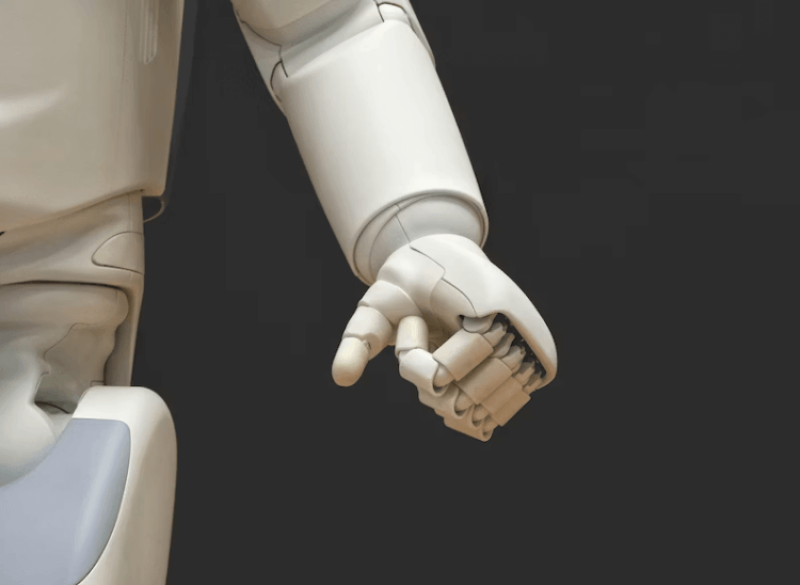
Credit: Unsplash/ Possessed Photography
[AI]’s rapid advancement has brought new urgency to efforts around the world to regulate AI systems. The European Union got started first, and [on June 14] took a step forward when one of its institutions, the European Parliament, voted to advance the draft legislation known as the AI Act. But China’s rule-makers have been moving the quickest to turn proposals into real rules, and countries including Brazil, Canada, and the United States are following behind.

Follow the latest news and policy debates on sustainable agriculture, biomedicine, and other ‘disruptive’ innovations. Subscribe to our newsletter.

The course of events in Europe could certainly help governments around the world learn by example. In April 2021 the E.U.’s European Commission proposed the AI Act, which uses a tiered structure based on risks. AI applications that pose an “unacceptable risk” would be banned; high-risk applications in such fields as finance, the justice system, and medicine would be subject to strict oversight. Limited-risk applications such as the use of chatbots would require disclosures.

On Wednesday, 14 June, as noted above, the European Parliament passed its draft of this law—an important step, but only a step, in the process. Parliament and another E.U. institution, the Council of the European Union, have been proposing amendments to the Act since its 2021 inception.


This is an excerpt. Read the full article here

{{ reviewsTotal }}{{ options.labels.singularReviewCountLabel }}
{{ reviewsTotal }}{{ options.labels.pluralReviewCountLabel }}
{{ options.labels.newReviewButton }}
{{ userData.canReview.message }}

Related Articles

Infographic: Global regulatory and health research agencies on whether glyphosate causes cancer

Infographic: Global regulatory and health research agencies on whether glyphosate causes cancer

Does glyphosate—the world's most heavily-used herbicide—pose serious harm to humans? Is it carcinogenic? Those issues are of both legal and ...

Most Popular

ChatGPT-Image-Jul-8-2026-12_32_48-PM
Viewpoint: SCOTUS strikes a blow against junk science in Bayer glyphosate case. Will it deter mass tort litigators?
ChatGPT-Image-Mar-10-2026-01_39_01-PM
Viewpoint—“Miracle molecule” debunked: Why acemannan supplements don’t work
afb-a-b
As the EU loosens restrictions on agricultural gene editing, it remains years behind the rest of the world on equally-safe GMO foods
Screenshot-2026-07-08-at-9.36.03-AM
Viewpoint: Long-contained diseases are on the rise in the U.S. Are Trump cuts to blame?
Viewpoint: Consensus as truth? How ‘misinformation police’ control policy narratives
Which among war, weather and cyber attacks is the biggest world threat? None of the above. It’s misinformation, and here’s why.
ChatGPT-Image-Jul-7-2026-01_57_55-PM
Viewpoint: Europe’s rejection of air conditioning is the poster child for misunderstanding how to mitigate the impact of climate change
ChatGPT-Image-Jun-25-2026-12_23_17-PM
No, Bill Gates did not secretly engineer ticks to promote veganism
Screenshot 2026-07-11 100209
Viewpoint: Supplements to clean your liver? Not a good idea.
c9f0a584-46e9-4dd8-9a77-f5f5a7a51a84
Across Eastern Europe, science disinformation has spread far beyond COVID and vaccine denialism. Here’s the grim list.
Gemini_Generated_Image_gabo48gabo48gabo
Viewpoint: A plastic surgeon on why banning gender-transition surgery without further research is wrong and harmful
ChatGPT-Image-Jul-1-2026-03_33_49-PM
‘Alternative’ cancer treatments that could kill you
Screenshot-2026-07-10-at-3.10.50-PM
Snake-oil cures throughout history
Screen-Shot-at-PM-pe-vra-kipgaprbdo-vd-ms-jpule-n-jqqaxf-l-e
Viewpoint: Will new breeding techniques help make European agriculture more competitive?
glp menu logo outlined

Get news on human & agricultural genetics and biotechnology delivered to your inbox.