Viewpoint: ‘Instead of science and technology leading to post-humanism, perhaps it will lead to a slightly more human condition’

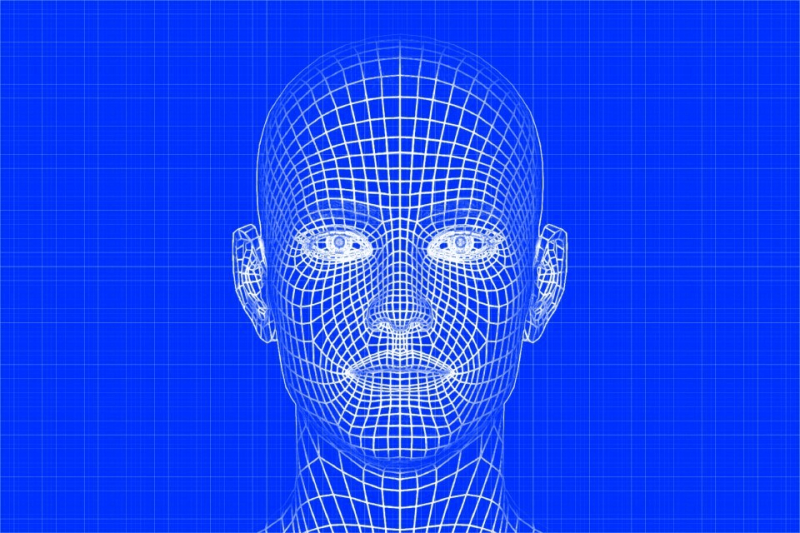
technology d blue technology illustration md
Credit: Creazilla (Public Domain)

What it means to be human… is not a constant, but continually constituted, altered and re-constituted through the recursive interface with an open and evolving world.

This is the view, at least, of Benjamin Bratton, a philosopher of technology who directs the Berggruen Institute’s Antikythera project to investigate the impact and potential of planetary-scale computation.

Follow the latest news and policy debates on sustainable agriculture, biomedicine, and other ‘disruptive’ innovations. Subscribe to our newsletter.

“I can’t accept the essentially reactionary claim that modern science erases ‘the Human.’ Demystification is not erasure. It may destabilize some ideas that humans have about what humans are, yes. But I see it more as a disclosure of what ‘humans’ always have been but could not perceive as such. It’s not that some essence of the Human goes away, but that humans are now a bit less wrong about what humans are,” he argues.

Bratton goes on: “Instead of science and technology leading to some ‘post-human’ condition, perhaps it will lead to a slightly more human condition? The figure we associate with modern European Humanism may be a fragile, if also a productive, philosophical concept. But dismantling the concept does not make the reality go away. Rather, it redefines it in the broader context of new understanding. In fact, that reality is more perceivable because the concept is made to dissolve.”

This is an excerpt. Read the full article here

{{ reviewsTotal }}{{ options.labels.singularReviewCountLabel }}
{{ reviewsTotal }}{{ options.labels.pluralReviewCountLabel }}
{{ options.labels.newReviewButton }}
{{ userData.canReview.message }}

Related Articles

Infographic: Global regulatory and health research agencies on whether glyphosate causes cancer

Infographic: Global regulatory and health research agencies on whether glyphosate causes cancer

Does glyphosate—the world's most heavily-used herbicide—pose serious harm to humans? Is it carcinogenic? Those issues are of both legal and ...

Most Popular

Screenshot-2026-04-23-at-11.00.36-AM
Regulators' dilemma: Thalidomide, Metformin, and the cost of getting drug approvals wrong
Picture1-5
Science Disinformation Gap: The transatlantic battle over social media and censorship
ChatGPT-Image-May-13-2026-11_56_08-AM
After slashing global health aid by $19 Billion, Trump moves to tap $2.1 billion more—to cover shutdown costs
ChatGPT-Image-May-12-2026-08_39_41-PM
GLP podcast: Big Pharma, Big Ag, Big Food—health harming industries or life-saving innovators?
ChatGPT-Image-May-7-2026-12_16_37-PM-2
Viewpoint: Are cancer rates ‘skyrocketing’ as RFK, Jr. and MAHA claims? The evidence says mostly the opposite
Picture1-1
Cooling the planet with balloons: Could a geoengineering gamble slow global warming?
Screenshot-2026-02-20-at-10.48.04-AM
Deepfakes raise profound ethical questions in science
Screenshot-2026-04-22-at-10.46.29-AM
Viewpoint: How to counter science disinformation? Science journalist offers 12 practical tips
png-pill-omega-Supp-fish-oil
Millions take omega-3 fish oil for brain health. New research suggests it may do the opposite.
Screenshot-2026-05-12-at-9.58.31-PM
'He seems fine': Marty Makary out as FDA commissioner
Screenshot-2026-05-12-at-10.05.11-AM
Pro-vaccine “hero” vs. an anti-vax “villain”: ‘Bad Vaxx’ video stirs MAHA backlash
ChatGPT Image May 12, 2026, 10_19_00 AM 2
Viewpoint— 'Muscular governance': How authoritarianism is surging corporate-linked energy misinformation
ChatGPT-Image-Apr-13-2026-02_20_22-PM
Viewpoint: Misinformation infodemic? Why assessing evidence is so challenging 
Screenshot-2026-05-01-at-1.29.41-PM
Viewpoint: What happens when whole grains meet modern food manufacturing? Labels don’t tell the whole story.
glp menu logo outlined

Get news on human & agricultural genetics and biotechnology delivered to your inbox.