Synthetic alcohol: Booze with all the buzz — but without the hangover?

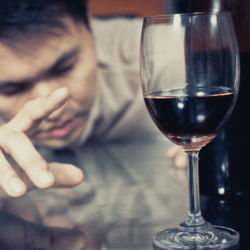
The synthetic alcohol's basis is gamma-aminobutyric acid, an amino acid that targets receptors in the front of the brain that trigger the relaxation and sociability alcohol brings, while avoiding the chaos it wreaks on the body. Credit: Matt Biddulph via CC-BY-SA-2.0

What if you could indulge in your favorite cocktails with no hangover or other ill effects?

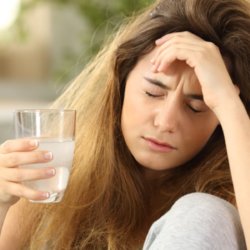
That’s one of the goals for researchers working to make one of the world’s oldest vices less harmful. Some are developing hormone shots to help people sober up quickly. Others are working on alcohol substitutes that target receptors in the brain that affect happiness, while dodging those that make imbibers slur and weave.

Mis- and disinformation are distorting science and public policy. Subscribe to our Daily and Weekly Digests for incisive coverage of ‘disruptive’ innovations in AI, agricultural biotechnology, food, chemicals, nuclear energy, vaccines, and other disruptive innovations.

GABA receptors are the first contact for alcohol in the brain, opening up and relaxing people, [neuropsychopharmacologist David] Nutt says. But alcohol then also floods the brain with other neurotransmitters that can cause nasty aftereffects.

Creating a substance that targets only the GABA receptors allows the brain to then turn on dopamine and serotonin naturally as the pleasures of the evening take off, he says. “It feels like what a glass of wine feels like. It feels relaxing. It makes you a bit more chatty, a bit more socially engaged with people,” he says of the product GABA Labs is developing, dubbed Alcarelle.
….

The company is working to raise about £8 million (around $10.3 million), with an aim to complete food-safety testing in the U.S. by mid-2026, where it will launch ahead of European and U.K. markets.


This is an excerpt. Read the original post here

Related Articles

Infographic: Global regulatory and health research agencies on whether glyphosate causes cancer

Infographic: Global regulatory and health research agencies on whether glyphosate causes cancer

Does glyphosate—the world's most heavily-used herbicide—pose serious harm to humans? Is it carcinogenic? Those issues are of both legal and ...

Most Popular

ChatGPT-Image-Mar-10-2026-01_39_01-PM
Viewpoint—“Miracle molecule” debunked: Why acemannan supplements don’t work
ChatGPT-Image-Sep-23-2026-02_36_39-PM
Viewpoint: After firing the entire National Science Board, Trump reshapes funding initiatives. Here’s the good and the bad.
ChatGPT-Image-Sep-2-2026-02_03_32-PM
How much of a problem is AI’s water use?
Screenshot-2026-09-17-at-1.07.08-PM
'We are dangerously addicted to antidepressants': Should we heed RFK Jr.’s sobering warning?
Screenshot-2026-09-24-at-3.25.18-PM
No, organic eggs are not more nutritious or necessarily healthier than regular eggs. They are far more expensive.
Screenshot-2026-09-28-at-2.41.21-PM
Viewpoint: 7-OH controversy: An opioid is available over-the-counter–even at gas stations. Should we be concerned?
Screenshot-2026-09-25-at-9.24.04-AM
What constitutes a measles death? RFK, Jr. maneuvers to restrict definition to make pandemic seem less dire
Screenshot-2026-09-29-at-11.06.43-AM
Astrology, homeopathy, vaccine rejectionism, creationism: Why pseudoscience thrives as science advances
ChatGPT-Image-Sep-25-2026-11_36_56-AM
Now AI almost started a war with China
generated-1790707585414
Facts & Fallacies podcast: America's health care system is broken. A doctor explains how to fix it
glp menu logo outlined

Get news on human & agricultural genetics and biotechnology delivered to your inbox.