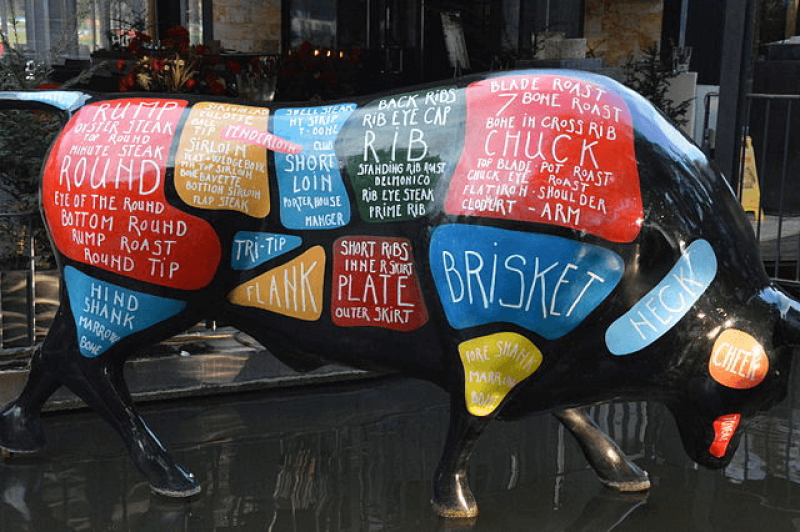
Will US consumers ever get to taste gene-edited sirloin? It may depend on whether the FDA or USDA wins broiling regulatory turf war

The USDA said it provides leadership based on the best available science. The FDA said it balances innovation and safety. Credit: Illustratedjc via CC-BY-SA-4.0

The future of genetically modified bacon, steak and fish is at the center of a Washington food fight.

The White House is refereeing whether the Food and Drug Administration or the Agriculture Department should regulate disease-resistant pigs, hornless cattle and faster-growing salmon—gene edits that could also result in unintended consequences if not done carefully.

Food companies have sought gene-edited cattle and fish because they promise to grow bigger, faster and more resistant to climate change and viruses than current animals. Pork producers and other industry players have been pushing for USDA oversight, saying the agency would be faster and less expensive to deal with than the FDA.

But consumer and environmental groups, worried about safety, counter that the USDA is too close to industry and say the FDA brings the scientific expertise demanded by such a technical area.


Mis- and disinformation are distorting science and public policy. Subscribe to our Daily and Weekly Digests for incisive coverage of ‘disruptive’ innovations in AI, agricultural biotechnology, food, chemicals, nuclear energy, vaccines, and other disruptive innovations.

The FDA and USDA have been at odds before. The two agencies in 2019 split duties regulating cell-cultured meat. Domestic catfish farmers got their oversight moved to USDA in 2016, though that hasn’t worked out as the industry intended, as imports have remained strong while domestic production has dropped.
This is an excerpt. Read the original post here

Related Articles

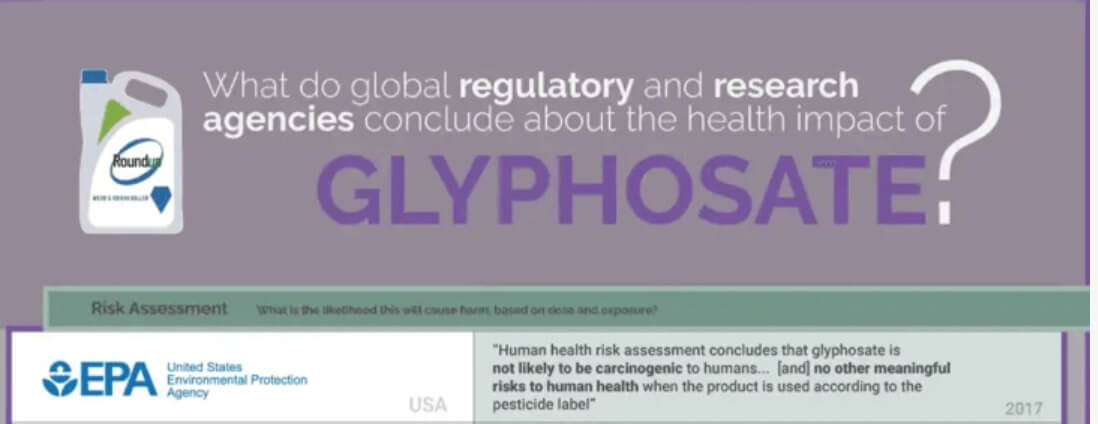
Infographic: Global regulatory and health research agencies on whether glyphosate causes cancer

Infographic: Global regulatory and health research agencies on whether glyphosate causes cancer

Does glyphosate—the world's most heavily-used herbicide—pose serious harm to humans? Is it carcinogenic? Those issues are of both legal and ...

Most Popular

ChatGPT-Image-Mar-10-2026-01_39_01-PM
Viewpoint—“Miracle molecule” debunked: Why acemannan supplements don’t work
Teal Hexagon Technology Icons
4 key ways the Blue Wave will upend science policy
Supplement Rain Wellness Illustration
Viewpoint: Bedeviled by “toxic inflammation”? How wellness grifters turn this scientific gray zone into a supplement jackpot
Aerial Sprayer Over Gradient Fields
Farming, food, and chemicals: Post-midterms, the MAHA alliance between Democrats and MAGA Republicans is bruised but not cowed. What comes next?
Confident Doctor in Clinical Setting
More than 80% of ‘pro-science’ candidates were swept into office. Will they have a policy impact?
Wave Crest Over Red Cross
Viewpoint: Here are the election-inspired Trump administration healthcare policy reversals expected in the coming months
Stacked Protest Signs on Concrete Ledge
Voters hate AI data centers, yet they are crucial to establishing a critical technology. So what’s next?
Protect-Womens-Sports-at-the-Capitol
Blue, purple and red states passed or reaffirmed bans on trans females competing in women’s sports
Microscopic IVF Egg Injection
With technical barriers to human embryo editing falling, ethical concerns escalate
Democratic Donkey Plowing at Sunset
Viewpoint: Democratic tsunami: As the red tide recedes, here are the most likely shifts in food and agricultural policy
Screenshot-2026-11-05-at-1.20.54-PM
$7.35 billion PFAS settlement: 3M to pay people who blame health problems on ‘forever chemicals’ phased out of firefighting foam for more than 20 years
Bayer Crop Circle in Golden Wheat
Making fertilizer from thin air: Bayer’s gene-editing innovation could dramatically cut chemical fertilizer use in growing food
glp menu logo outlined

Get news on human & agricultural genetics and biotechnology delivered to your inbox.