Would you want to be cured of a disorder that most people consider debilitating if given the opportunity? Cancer? Sure. A heart condition? Absolutely. But some people might reject this opportunity.
Consider deafness, which is mostly genetic. It can be debilitating. About 20% of the world’s population and half of all people over 70 are losing their hearing; almost 5% or 66 million, of the global population, according to the World Health Organization. It’s linked to an increase in all kinds of illnesses. Your brain must work harder. That leads to elevated rates of anxiety and early onset dementia.
There are now ways to tweak DNA to cure and possibly prevent hearing loss with just a single injection, and it works — at least in mice. Not every deaf person is celebrating.
“I’m content where I am,” said Sarah Kendall, who lives in Nottingham, England. She was born deaf. “I don’t feel upset with my condition” she told London’s The Telegraph.
What was once theoretical may soon be possible. Four years ago, scientists at Boston Children’s Hospital, Harvard Medical School and MIT developed a treatment method using a form of genetic engineering very similar to CRISPR gene editing. The research spurred the recent founding of a biotechnology company, Frequency Therapeutics, intent on developing a form of regenerative therapy. And recently as earlier this month, yet another team of researchers, at King’s College, reported they were able to reverse hearing loss in mice using gene therapy to activate a dormant mice gene.
Gene editing and the brain
While the science used is fascinating, targeting our genes to cure congenital deafness in humans is increasingly controversial, especially in the deaf community.
According to one study, 46% of deaf people were concerned that manipulating genes to restore hearing could “devalue” deaf people. This question is further complicated considering that parents, most of whom are deaf themselves, would likely be making the decision rather than the patient themselves.
Sarah Katz was also born without hearing. In an eye-opening article she wrote in Discover, Katz explained why she and many deaf people are horrified at the prospect of genetically editing one of her embryos to prevent her from bearing a deaf child.
“As someone who was born deaf, I’m concerned about the latest application…of CRISPR,” she wrote. “There is an “assumption that deafness needs a cure. It does not, [but] our dominant cultural view of deafness needs a fix.”
Deafness is by no means the only controversial gene editing target. While technologies like CRISPR have been used to treat physical ailments such as sickle cell anemia with relatively little controversy, it has yet to be used to treat any mental health conditions, such as depression or PTSD. This is not only due to the technical difficulties involved in applying gene editing to something as multi-genetic and dependent on environmental conditions as mental health, but because of the ethical concerns raised by tweaking the human brain, the seat of human identity. The entire conversation, however, was limited by the fact that the possibility was hypothetical.
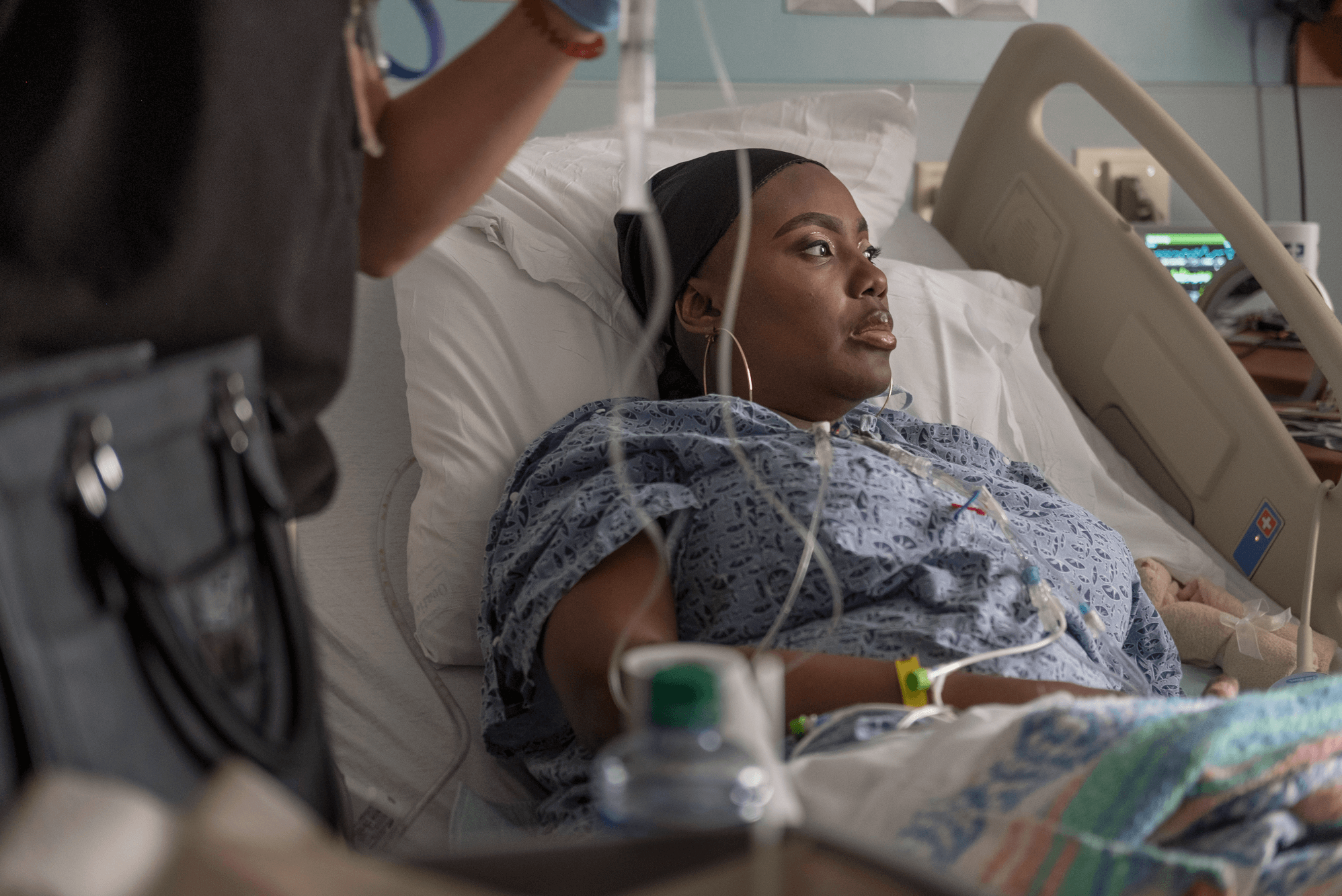
Not anymore. What seemed fantastical only a few years ago is now inching toward reality. In May 2022, researchers at the University of Illinois at Chicago published a study showing that gene editing could be used to reduce anxiety in young rats caused by adolescent alcohol exposure.
Now that it appears that some mental disorders could be treated using gene therapy, the more profound question arises: Should we?
Rodent studies don’t always transition to humans. In this experiment, the researchers examined only one gene. At least one-third of the approximately 20,000 genes that make up the human genome are expressed primarily in the brain. The genetics behind any mental disorder, from those caused by alcohol exposure to those innate in a person’s genes, generally involves multiple genes, maybe hundreds in some cases; epigenetic factors; and environmental triggers.
Secondly, it’s difficult to predict the long-term efficacy and side effects of gene therapy on the brain. While the treatment in the study maintained its effectiveness over time, rats don’t live very long: only 2-3 years compared to the decades that a treatment would need to be effective for humans. It’s also difficult to determine what the long-term side effects might be. Perhaps the genes targeted in the treatment fundamentally alter their brain chemistry, causing a myriad of unintended consequences.
Ethical questions
Some physical ailments would seem to be appropriate candidates for gene tweaking. For example, Huntington’s disease, which is universally fatal, is caused by one rogue gene. Religious beliefs aside, it would be hard to imagine anyone faulting an adult for choosing gene editing as a treatment for themselves, and most parents would like consent to treating their embryos to remove the causative gene or agree to post-birth gene therapy on their child with few qualms. There are many other single gene conditions, and even some multiple gene disorders, that could be targeted in the not-too-distant future.

That brings us to the prickliest issue: ethics.
Is it appropriate to use gene editing to treat mental conditions? There is no one pat answer.
For example, although autism is usually associated with lower intelligence, some forms of it are highly correlated with high intelligence, and some possible alleles have been identified. It’s called savant syndrome. In the not-too-far future, we may find other conditions that are classified as “disorders” to have at least some benefits. How far along the road to Gattica will we go? One New Jersey company claims it can use DNA measurements to warn prospective parents about which embryos might be very low in intelligence.
Among many potential factors, the nature of a condition and the age of the person involved are critical. It may be possible to treat anxiety caused by adolescent alcohol use, and a capable adult may consent to that, but what about an autism diagnosis in a fetus? Most parents are not looking to birth a savant, but there are other potential issues.
According to Holly Tabors, an associate professor at Stanford University’s Center for Biomedical Ethics:
The approach has been, “If we could only figure out the causes of autism, then we could prevent it, we could treat it, we could fix it.” And there are some things about that that are not wrong. But it also contains a significant component of ableism — that autism is such a tragedy. That’s dangerous and, quite frankly, inappropriate.
Like many brain disorders, autism is extremely complex. There is no ‘autism gene’ like an identifiable ‘deafness gene’. Eighty percent or more of autism cases are believed to involve from 100 to upwards of 1,000 genes. Their interaction combined with environmental factors such as stress on the expectant mother or exposure to toxins in pregnancy could play a role.
The He Jiankui effect
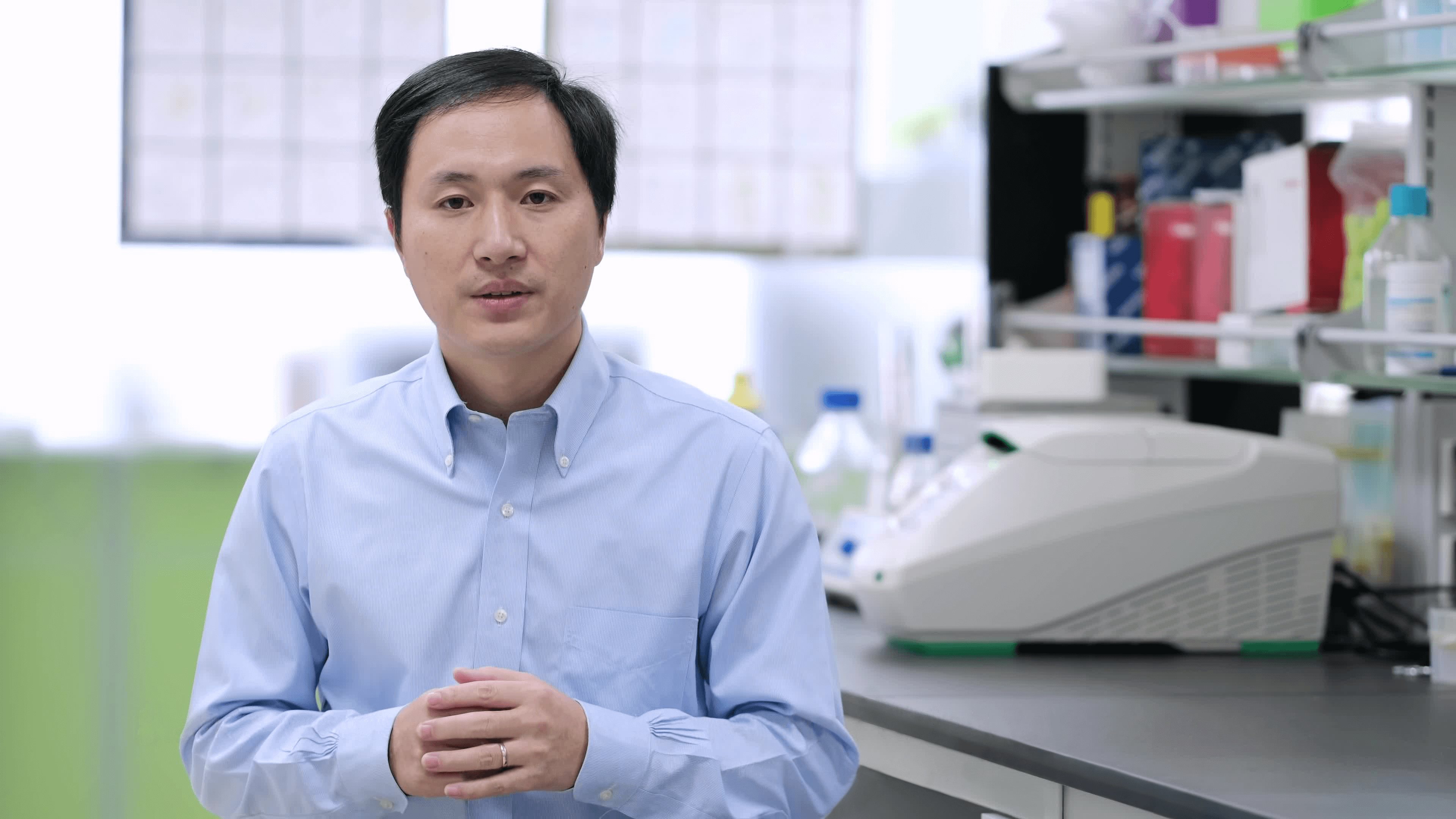
These emerging ethical quandaries are layered on top of the already heated debate surrounding the ethics of using gene editing technologies to treat any genetic disease. Chinese biophysicist He Jiankui created a set of HIV-resistant twins in 2018 using CRISPR gene editing. He was jailed for three years, but is not contrite about what he believes is inevitable., “There will be no question about the morality of gene surgery in 20-30 years,” he says.
In contrast, Jennifer Doudna, one of the inventors of CRISPR, believes it is necessary to “confine the use of gene editing in human embryos to cases where a clear unmet medical need exists, and where no other medical approach is a viable option.” That position doesn’t provide much guidance on how to address questions such as the appropriateness of ‘gene surgery’ on deaf people. Is it an unmet medical need?
In contrast to deadly physical diseases linked to one or a few genes, mental illnesses are more complex and harder to treat. A parent choosing gene editing to treat an embryo with genes linked to depression or their child with depressive symptoms might be accused of jumping to the nuclear option, a problem compounded by the difficulty in realizing the extent of any mental illness.
An adult suffering from certain mental disorders, such as mania or psychosis, might not be fit to make the choice themselves the way they could with a physical ailment, which would likely not affect their critical thinking skills.
What happens if one of your children develops a mental illness, say depression? How off-kilter does he or she need to be before you pull the gene editing trigger? Would children with mental conditions have a say in whether to undergo such treatment? Gene editing to remove a mental condition will always be controversial. It could fundamentally change a person’s identity and future, probably for the better in many cases, but certainly not always. Adults will presumably retain the autonomy to make such momentous decisions. But the complicated ethical and health issues raised by this scenario are not clear; they echo the current heated debate over transgender surgery for children.
There are no easy answers.
“There’s more awareness that you can test embryos. There’s more screening of patients who are thinking of parenting,” said Dr. Sigal Klipstein, a reproductive endocrinologist at InVia Fertility in Chicago, in an article on StatNews. “The array of diseases that are available for testing is growing. The ethical issues have increased to an extent because some diseases are considered more health-impacting than others. So where do you draw the line?”
Grace Spencer has contributed to BIO.News and the substack Don’t Count Us Out Yet! She received a masters in biochemistry from Colorado State University. Follow her on X @spencegm09