Growing number of chaplains who help support the vulnerable exploring psychedelic-assisted therapy

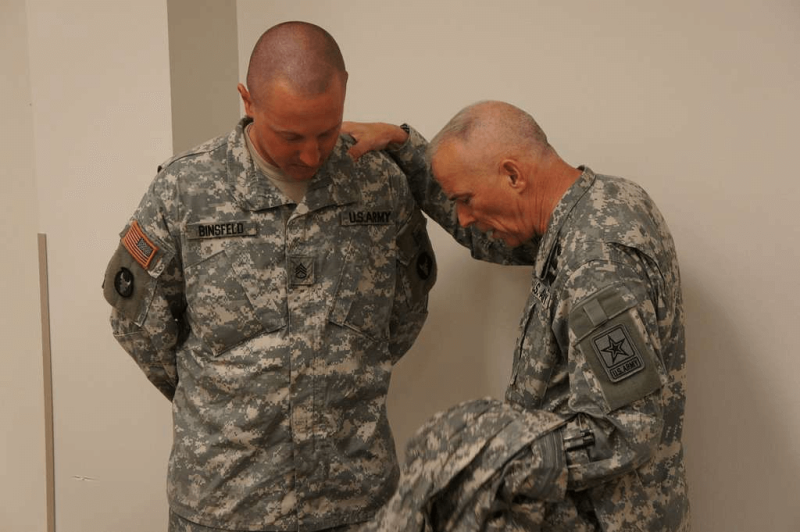
brig gen patrick dolan chaplain blesses a soldier b cd
Credit: Picryl (Public Domain)

Research onย the therapeutic use of psychedelicsย is underway at several universities, and data continues to accumulate on how they may help with conditions from PTSD to depression. Many states and localities across the country areย considering legislation. Some, likeย Oregonย andย Colorado, have already passed regulatory models, which involve licensing facilitators to administer these drugs. And there’s increasing interest in that work from a group of professionals who already guide people through life’s deep and difficult times: chaplains.

Chaplains are religious professionals who work in non-religious settings โ€” hospitals, schools, battlefields. Although they’re trained and often ordained in a particular tradition, they help people of any faith โ€” or none at all โ€” wrestle with spiritual issues, and connect with a sense of meaning.

Follow the latest news and policy debates on sustainable agriculture, biomedicine, and other ‘disruptive’ innovations. Subscribe to our newsletter.

The conversation is growing within the field โ€” both theย Association of Professional Chaplainsย and theย Neshama: Association of Jewish Chaplainsย held workshops on psychedelic-assisted therapy at their most recent annual conferences, and panels and webinars have been held in many forums, as chaplains explore this topic.

And while some chaplains are exploring psychedelic-assisted therapy because of their deep well of experience providing a non-judgmental presence to help make sense of life’s difficult moments, many are also drawn to it because people taking these drugs often report what’s described as a mystical experience.


This is an excerpt. Read the original post here

{{ reviewsTotal }}{{ options.labels.singularReviewCountLabel }}
{{ reviewsTotal }}{{ options.labels.pluralReviewCountLabel }}
{{ options.labels.newReviewButton }}
{{ userData.canReview.message }}

Related Articles

Infographic: Global regulatory and health research agencies on whether glyphosate causes cancer

Infographic: Global regulatory and health research agencies on whether glyphosate causes cancer

Does glyphosateโ€”the world's most heavily-used herbicideโ€”pose serious harm to humans? Is it carcinogenic? Those issues are of both legal and ...

Most Popular

ChatGPT Image May 26, 2026, 08_42_17 AM (1)
Viewpoint: Greenpeace and poison: How environmental advocacy groups rely on compliant (and often ignorant) journalists to spread disinformation and spark litigation
Screenshot 2025-07-30 at 10.48
Can gene editing eliminate Down syndrome? Scientists have done it in lab-grown cells
Screenshot-2026-05-28-at-1.36.28-PM
Viewpoint: Can mRNA research survive the Trump administration?
Screenshot-2026-06-02-at-11.59.11-AM
Magnifica Humanitas: Popeโ€™s encyclical broadside against AI naivete and overreach
Screenshot 2025-11-18 at 3.45
Viewpointโ€”GMOs and sustainability: Why buying organic foods is the least environmentally-sensitive food choiceโ€”without offering any health benefits
ChatGPT-Image-May-26-2026-07_51_21-AM-2
Viewpoint: There are more than 1,000 chemicals in a cup of coffeeโ€”including many substances that can cause cancer. Why isnโ€™t it banned?
ChatGPT-Image-Jun-2-2026-11_39_58-AM
Viewpoint: Who is RFK, Jr.โ€™s newly-appointed CDC senior counselor, Sara Brenner โ€” Vaccine skeptic and self-proclaimed โ€œMAHA momโ€
Picture1
Sounds we canโ€™t hear โ€” the hidden planetary signals behind science, fear, and misinformation
ChatGPT Image May 28, 2026, 08_16_38 PM
Viewpoint: Why the EPA mismeasures cancer risk of chemicals and what should be done to fix it
glp menu logo outlined

Get news on human & agricultural genetics and biotechnology delivered to your inbox.