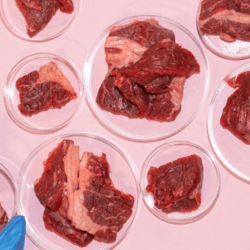
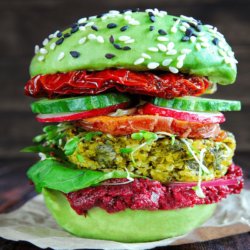
The 2020-2022 plant-based meat gold rush is over. What’s next?

Credit: Marco Verch via CC-BY-2.0

Sales of vegan burgers, nuggets or eggs have struggled as rampant food inflation and the cost-of-living crisis force consumers to cut back on premium items. Plus, health concerns about heavily processed products are killing peoples’ appetite.

And with venture capital money drying up, the sector’s startups are fighting for survival. That’s in stark contrast to the investor exuberance and eye-spinning number of new products seen in recent years.

That was like a “gold rush,’’ according to Andy Shovel, co-founder of British plant-based meat company THIS.

Follow the latest news and policy debates on sustainable agriculture, biomedicine, and other ‘disruptive’ innovations. Subscribe to our newsletter.

Some people have tried the faux foods and disliked them, while the prices have been “crazy,’’ something that companies are starting to address, Shovel said. Alternative-protein firms also need to diversify more into items that deliver on health and nutrition, he said.

So what is the industry doing to cater for what shoppers really want?

Companies are introducing new technologies that seek to reduce the list of ingredients. Startups are focusing on novel fats that make plant-based meat juicier, or tinkering with seeds to change the way soy and peas are processed. There are also products being developed that have no additives and use processes like fermentation, according to Fiona Bennie, the managing director of Sustainability Studio at Accenture.


This is an excerpt. Read the original post here

{{ reviewsTotal }}{{ options.labels.singularReviewCountLabel }}
{{ reviewsTotal }}{{ options.labels.pluralReviewCountLabel }}
{{ options.labels.newReviewButton }}
{{ userData.canReview.message }}

Related Articles

Infographic: Global regulatory and health research agencies on whether glyphosate causes cancer

Infographic: Global regulatory and health research agencies on whether glyphosate causes cancer

Does glyphosate—the world's most heavily-used herbicide—pose serious harm to humans? Is it carcinogenic? Those issues are of both legal and ...

Most Popular

Screenshot-2026-05-01-at-1.29.41-PM
Viewpoint: What happens when whole grains meet modern food manufacturing? Labels don’t tell the whole story.
S
As vaccine rejectionism spreads, measles may be taking a more dangerous turn
ChatGPT-Image-Apr-13-2026-02_20_22-PM
Viewpoint: Misinformation infodemic? Why assessing evidence is so challenging 
Screenshot-2026-04-20-at-2.26.27-PM
Viewpoint — Food-fear world: The latest activist scientists campaign: Cancer-causing additives
ChatGPT-Image-Mar-27-2026-11_47_30-AM-2
FDA’s expedited drug reviews are hailed in some quarters but other approval practices are problematic
Screenshot-2026-03-13-at-12.14.04-PM
The FDA wants to make many popular prescription drugs OTC—a great idea. Here’s why it’s unlikely to happen
bigstock opioids on chalkboard with rol
GLP podcast: 'Safe injection sites': enabling drug addiction or saving lives?
circular-bioeconomy-should-focus-on-sustainable-wellbeing
GLP podcast: What's wrong with 'doomsday' environmentalism? It's false.
Farmers can talk to plants
Farmers are a major source of misinformation—about farming
Screenshot-2026-04-12-135256
Bixonimania: The fake disease scam that AI swallowed whole

Sorry. No data so far.

glp menu logo outlined

Get news on human & agricultural genetics and biotechnology delivered to your inbox.