In the West, pumpkins may be the main ingredient in a traditional holiday pie, but their true potential lies in their nutritional and medicinal benefits. Rich in various essential nutrients and relatively easy to grow, this hardy, drought-tolerant crop is underrated. Pumpkins offer great promise as farmers battle with water scarcity and increasingly harsh climates, local communities struggle with economic insecurity, and the the world’s population is increasingly undernourished.
In Bangladesh, mini deserts – known as sand bars – are formed due to climate change-caused flooding… However, these river-eroded, silt-covered lands are now being harnessed to grow pumpkins to help tackle food insecurity, unemployment, and malnourishment.
What started in 2005 a project called “Pumpkins against Poverty“, formed by the non-profit Practical Action, has now turned into a profitable enterprise called Pumpkin Plus. “We are working with over 1,000 agri-entrepreneurs, exporting pumpkins to Qatar, Malaysia, Singapore, and other countries, and building the capacity of the local communities to diversify to commercial agriculture,” says Nazmul Islam Chowdhury.
…
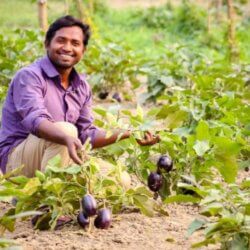



Pumpkins are an ideal plant for water insecure regions due to their tolerance of drought. Given their ability to withstand less water and salinity, as well as the fact that Bangladesh farmers can make a good profit compared to other produce, they are the preferred crop to be grown in the sand bars.