Viewpoint: ‘Anti-technology activists unfairly malign genetically modified mustard crop that could drop pesticide use by 40%’

fl image kp dipj
Credit: Rawpixel (Public Domain)

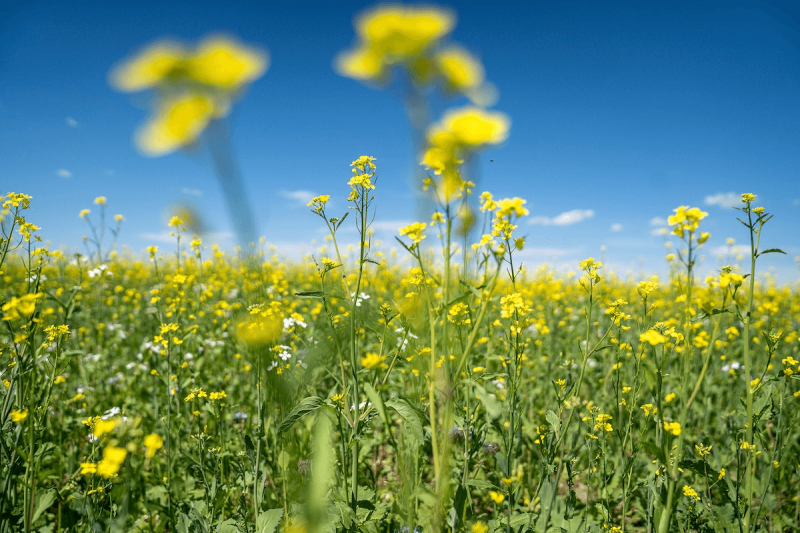
The polarised debate over genetically modified (GM) crops in India is back in the limelight. The advocates and dissenters of GM technology broke open the debate following the Supreme Court’s refusal to allow the environmental release of genetically modified (GM) mustard. This indefinite moratorium to halt all field trials of GM mustard has not only inflicted a severe blow to an array of crops which are in various stages of trials that employ transgenic technology, but has also dampened the hopes of GM mustard, Brassica juncea, in becoming India’s first GM food to reach the kitchen.

Follow the latest news and policy debates on sustainable agriculture, biomedicine, and other ‘disruptive’ innovations. Subscribe to our newsletter.

For instance, since the introduction of Bt cotton in 2002, there has been a remarkable increase in India’s cotton yield, leading to a significant rise in farmers’ income. In fact, more than 95 per cent of cotton growing areas of the country is planted with Bt cotton by an increasing number of cotton farmers, resulting in the savings of about 40 per cent of total chemical insecticides.

However, the anti-GM lobby persists in making false claims, one of which is linking Bt cotton to crop failures and mass suicides in India. Once GM mustard is introduced into Indian farms, there is no doubt that the anti-GM lobby will be poised to raise questions about its efficacy.


This is an excerpt. Read the original post here

{{ reviewsTotal }}{{ options.labels.singularReviewCountLabel }}
{{ reviewsTotal }}{{ options.labels.pluralReviewCountLabel }}
{{ options.labels.newReviewButton }}
{{ userData.canReview.message }}

Related Articles

Infographic: Global regulatory and health research agencies on whether glyphosate causes cancer

Infographic: Global regulatory and health research agencies on whether glyphosate causes cancer

Does glyphosate—the world's most heavily-used herbicide—pose serious harm to humans? Is it carcinogenic? Those issues are of both legal and ...

Most Popular

Screenshot-PM-24
Viewpoint: The herbicide glyphosate isn’t perfect. Banning it would be far worse.
ChatGPT-Image-Mar-27-2026-11_27_05-AM
The myths of “process”: What science says about the “dangers’ of synthetic products and ultra-processed foods
ChatGPT-Image-Mar-3-2026-01_17_14-PM
MAHA wellness influencers deride proven anxiety medications, tout lifestyle fixes
d-b
Blocked arteries, kidney stones, nausea, constipation, fatigue: Long list of health problems caused by too much vitamin D 
Screenshot-2026-04-29-at-11.31.42-AM
Dad brains: Only women undergo bodily changes during and after childbirth? Think again.
ChatGPT-Image-Apr-28-2026-12_46_14-PM-2
Kennedy has quietly stopped touting problematic raw milk. Health concerns aren’t why
ChatGPT-Image-Apr-29-2026-11_04_44-AM-2
Anti-vaccine activists are now the majority in RFK, Jr.’s CDC Vaccine Panel
circular-bioeconomy-should-focus-on-sustainable-wellbeing
GLP podcast: What's wrong with 'doomsday' environmentalism? It's false.
glp menu logo outlined

Get news on human & agricultural genetics and biotechnology delivered to your inbox.