Transforming agricultural waste into bioplastics

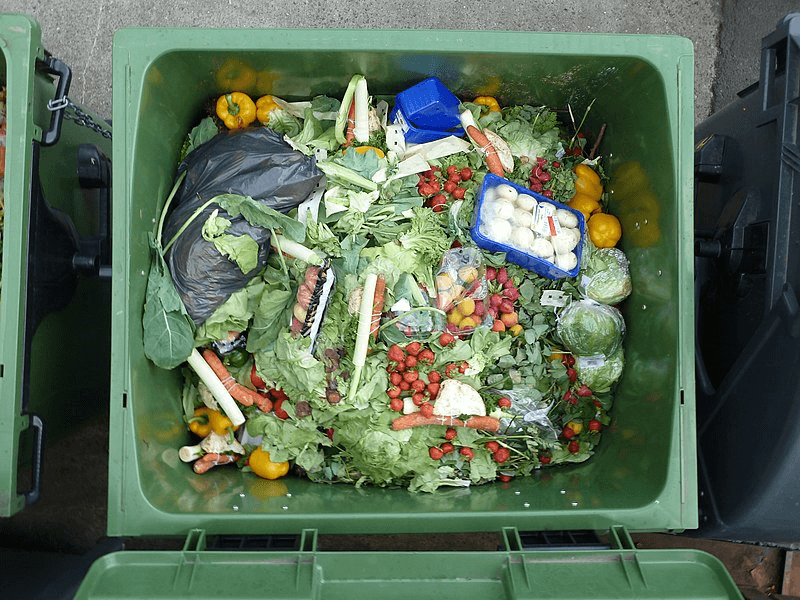
The amount of food wasted is suprisingly high in aggregate. Credit: Foerster via CC0-1.0

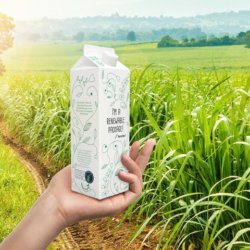
Although bioplastics have been touted as a promising sustainable alternative to traditional plastics for some time, making bio-based materials that perform well and are cost-effective has been extremely challenging. PlantSwitch’s resin exhibits properties that closely resemble traditional plastics, making it useful for making a variety of products such as eating utensils, cosmetics containers and various consumer goods such as bottle caps, toothbrushes and coffee pods.

Another challenge for bioplastics is that although many of them are compostable, they often require specialized commercial facilities to provide the right conditions for the plastic to breakdown. Products made from PlantSwitch’s resin can be composted in these facilities, but will also fully breakdown in backyard compost in less than 6 months.

Mis- and disinformation are distorting science and public policy. Subscribe to our Daily and Weekly Digests for incisive coverage of ‘disruptive’ innovations in AI, agricultural biotechnology, food, chemicals, nuclear energy, vaccines, and other disruptive innovations.

The fact that agricultural waste, not a primary crop such as corn or sugar cane, is used as the raw material not only boosts the sustainability aspects but also help with cost efficiency. PlantSwitch’s resin is also a drop-in solution, meaning that plastics manufacturers can use their existing machines and processes to create plastic products. This means there’s no need to buy new equipment or figure out new processing approaches when switching to the plant-based resin.
This is an excerpt. Read the original post here

Related Articles

Infographic: Global regulatory and health research agencies on whether glyphosate causes cancer

Infographic: Global regulatory and health research agencies on whether glyphosate causes cancer

Does glyphosate—the world's most heavily-used herbicide—pose serious harm to humans? Is it carcinogenic? Those issues are of both legal and ...

Most Popular

ChatGPT-Image-Mar-10-2026-01_39_01-PM
Viewpoint—“Miracle molecule” debunked: Why acemannan supplements don’t work
Screenshot-2026-09-28-at-11.26.17-AM
Viewpoint: Wellness movement activists reposition nicotine from a killer addictive drug into a cure-all for brain ills
strand of dna genetics
No, GMO foods do not “damage genes, natural disposition and hormones, or decrease physical health and intelligence”
Screenshot-2026-10-02-at-9.11.36-AM
The genetics of personality
Radioactive-Americana-Collage-2
The kooky logic behind the raft of spurious cancer claims from Harvard’s T.H. Chan School of Public Health
Screenshot-2026-10-01-at-10.52.08-AM
Non-browning CRISPR gene-edited bananas move one step closer to British markets
Screenshot-2026-10-02-at-8.56.38-AM
Trump finalizes Medicare drug price cuts, drawing Big Pharma’s fury and a legal challenge
Screenshot-2026-10-02-at-11.12.24-AM
‘Why do we keep falling for this stuff?’ America’s love affair with snake oil salesmen and scams
Screenshot-2026-09-22-at-10.54.12-AM
‘They misunderstand science’: Research attempting to tie autism to changes in the gut microbiome comes under fire
AI-Force-Leadership-Portrait
Jay Clayton controversy: The divisive history of Trump’s newly-appointed AI czar
ChatGPT-Image-Sep-21-2026-11_21_39-AM
Viewpoint: Food cults: Online ‘nutrition communities’ can pose unique dangers
glp menu logo outlined

Get news on human & agricultural genetics and biotechnology delivered to your inbox.