Viewpoint: ‘So-called environmentalists can eat crow, transgenic corn proves a win for science and the public’

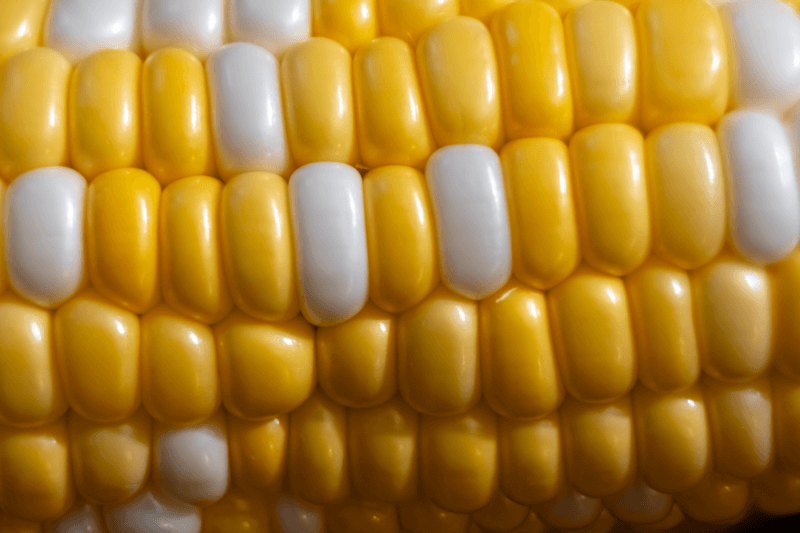
Credit: WetMethanol via CC-BY-SA-4.0
In 2020, storms caused an estimated $12 billion in damage, including in Iowa, where a giant amount of America’s corn is grown. Yet only 16 percent of the state’s corn was ruined.

The reason was science; the corn had been genetically engineered to be shorter. That meant it needed less water, and resulted in less environmental strain, plus shorter stalks meant less risk from wind.

Over the protestations of environmentalists, USDA has already approved this transgenic corn, the final round of field trials happened this growing season on 12,000 hectares. Yet environmentalists should not protest at all. Corn is a grass, it was only ever genetically engineered to make cows grow better – it was poisonous to humans in its natural form. Add water to a poison grass and process it and you create food. Only later did humans then engineer it for direct human consumption also and then want to make it bigger and bigger to use less space. Now science is reversing that last part, by making it smaller but producing the same amount of food.

Image: Bayer. No, they don’t give us any money, though they should, so keep quiet, organic industry toadies.

It is a win for the public, for science, and for farmers. The only losers are activist groups who hate science – and other horror movie scriptwriters. You can’t get lost in short corn fields, after all.

Hank Campbell is the founder and editor of Science 2.0. Hank is also the author of  Science Left Behind. Follow Hank on X @HankCampbell

A version of this article was originally posted at Science 2.0 and has been reposted here with permission. Any reposting should credit the original author and provide links to both the GLP and the original article. Find Science 2.0 on X @science_2.0


{{ reviewsTotal }}{{ options.labels.singularReviewCountLabel }}
{{ reviewsTotal }}{{ options.labels.pluralReviewCountLabel }}
{{ options.labels.newReviewButton }}
{{ userData.canReview.message }}

Related Articles

Infographic: Global regulatory and health research agencies on whether glyphosate causes cancer

Infographic: Global regulatory and health research agencies on whether glyphosate causes cancer

Does glyphosate—the world's most heavily-used herbicide—pose serious harm to humans? Is it carcinogenic? Those issues are of both legal and ...

Most Popular

Screenshot 2026-05-26 at 10.15
Viewpoint: Double standard—Why does the wellness industry get a free pass while Big Healthcare is treated as morally suspect?
ChatGPT-Image-Jun-4-2026-11_49_36-AM-2
‘You don’t understand Tolkien’: Skeptic Pope trolls tech giants about the exaggerated, risk-less benefits of AI
ChatGPT-Image-Jun-4-2026-01_27_58-PM
Viewpoint—N.A.D.+: Why Gwenyth Paltrow’s heralded anti-aging supplement doesn’t work
Screenshot-2026-06-03-at-1.24.46-PM
Challenging anti-GMO disinformation: Why genetically-tweaked crops offer bushels of benefits
Screenshot-2026-06-04-at-12.05.08-PM
Cases of brain inflammation surge as U.S. measles pandemic approaches 2000
Screenshot 2025-07-30 at 10.48
Can gene editing eliminate Down syndrome? Scientists have done it in lab-grown cells
ChatGPT Image May 26, 2026, 08_42_17 AM (1)
Viewpoint: Greenpeace and poison: How environmental advocacy groups rely on compliant (and often ignorant) journalists to spread disinformation and spark litigation
ChatGPT-Image-Mar-10-2026-01_39_01-PM
Viewpoint—“Miracle molecule” debunked: Why acemannan supplements don’t work
downsyndrome_compilation_MID_1
CRISPR breakthrough that can remove the chromosome responsible for Down syndrome raises ethical questions
tick-DNA
GLP podcast: Spread meat allergy with gene-edited ticks? Bioethicists pose vile ‘thought experiment’
ChatGPT Image May 26, 2026, 08_21_36 AM
Limiting gender affirming interventions: Trump administration targets Texas even though it already bans youth access

Sorry. No data so far.

glp menu logo outlined

Get news on human & agricultural genetics and biotechnology delivered to your inbox.