Viewpoint: Why we need to get over our gene-editing fears and embrace optimized, climate-resilient crops

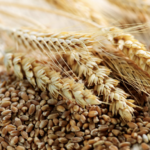
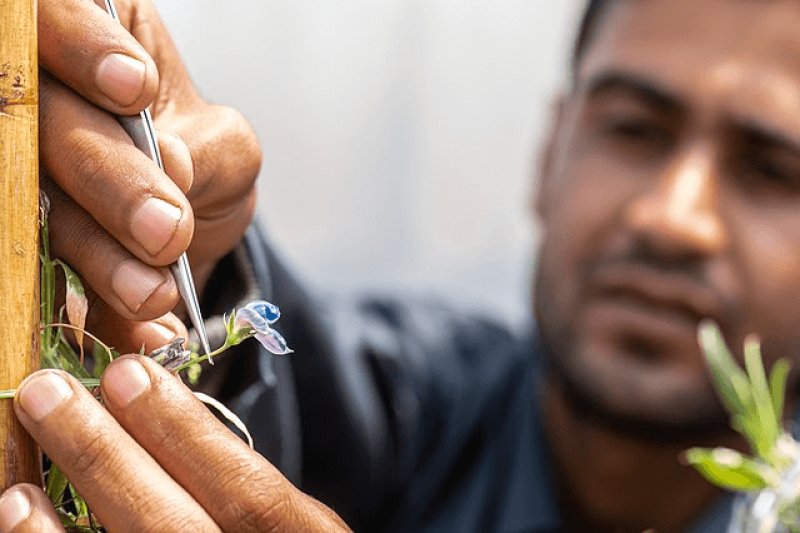
Credit:  Michael Major and Crop Trust via CC-BY-SA-2.0
Credit: Michael Major and Crop Trust via CC-BY-SA-2.0

As the planet warms, gene editing is one of our greatest hopes for developing resilient crops that allow for adaptation.

Yet a warming planet and the advances of genomic technologies in other industries haveย notย ledย to the widespread embrace of a new paradigm for crop breeding in agriculture. To get the most out of these technologies, we need a regulatory framework that keeps up with the scienceโ€”and we need to take the public along for the journey.

Follow the latest news and policy debates on sustainable agriculture, biomedicine, and other ‘disruptive’ innovations. Subscribe to our newsletter.

In Europe, where I have lived for much of my career, the technology of genetically modified organisms (GMOs) is still not welcomed, even though studies consistently demonstrate the safety of the foods already on the market, some for more than three decades.

We must not shy away from the use of biotech tools in agriculture, but rather deploy them rationally and transparently. CRISPR will allow for better-quality food with more sustainable production. For example, a label could be added to seed bags that includes information about the use and advantages of gene editing. I am convinced that increasing transparency is the way to increase trust. Letโ€™s allow people to make choices that are good for their health and the planet.

This is an excerpt. Read the original post here

{{ reviewsTotal }}{{ options.labels.singularReviewCountLabel }}
{{ reviewsTotal }}{{ options.labels.pluralReviewCountLabel }}
{{ options.labels.newReviewButton }}
{{ userData.canReview.message }}

Related Articles

Infographic: Global regulatory and health research agencies on whether glyphosate causes cancer

Infographic: Global regulatory and health research agencies on whether glyphosate causes cancer

Does glyphosateโ€”the world's most heavily-used herbicideโ€”pose serious harm to humans? Is it carcinogenic? Those issues are of both legal and ...

Most Popular

Screenshot-2026-05-01-at-1.29.41-PM
Viewpoint: What happens when whole grains meet modern food manufacturing? Labels donโ€™t tell the whole story.
ChatGPT-Image-Mar-27-2026-11_47_30-AM-2
FDAโ€™s expedited drug reviews are hailed in some quarters but other approval practices are problematic
ChatGPT-Image-Apr-13-2026-02_20_22-PM
Viewpoint: Misinformation infodemic? Why assessing evidence is so challengingย 
Farmers can talk to plants
Farmers are a major source of misinformationโ€”about farming
S
As vaccine rejectionism spreads, measles may be taking a more dangerous turn
What explains Homo sapiensโ€™ huge brains? Ancient climate change played a role
Viewpoint: Internal White House documents detail administrationโ€™s strategy to undermine climate science
Screenshot-2026-04-20-at-2.26.27-PM
Viewpoint โ€” Food-fear world: The latest activist scientists campaign: Cancer-causing additives
ChatGPT-Image-May-7-2026-11_28_04-AM-2
โ€˜Conflict entrepreneursโ€™ are driving disinformation and shaping public opinion
bigstock opioids on chalkboard with rol
GLP podcast: 'Safe injection sites': enabling drug addiction or saving lives?
ChatGPT-Image-May-6-2026-03_41_05-PM
โ€˜Protecting the integrity of scienceโ€™: Kennedyโ€™s FDA blocks release of taxpayer-funded studies finding COVID and shingles vaccines safe
Screenshot 2026-05-06 at 2.19
Vaccine shootout at the CDCย 
Screenshot-2026-05-06-at-2.07.43-PM
Manufacturing a conspiracy: The timeline of howย  the White House embraced the fringe claim that scientists are being mysteriously murdered
circular-bioeconomy-should-focus-on-sustainable-wellbeing
GLP podcast: What's wrong with 'doomsday' environmentalism? It's false.

Sorry. No data so far.

glp menu logo outlined

Get news on human & agricultural genetics and biotechnology delivered to your inbox.