Podcast: Why we ‘evolved not to lose weight’

sciencefood
Credit: GQ

Estimates vary, but it’s believed that more than 80% of people who lose a substantial amount of weight regain it within five years.

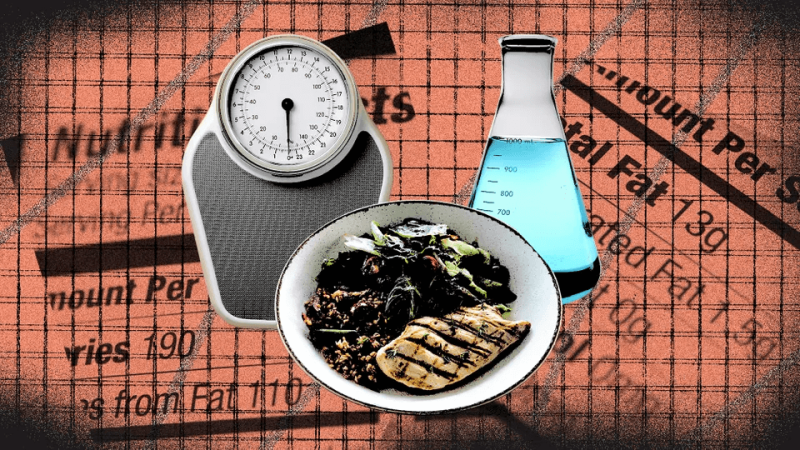
But failure to shed pounds is often not about lacking the willpower to make important lifestyle changes, such as eating healthier, reducing calories and increasing physical activity. The dirty little secret is that our bodies are programmed by evolution to hold on to fat.

“We evolved not to lose weight intentionally,” [said Harvard University] paleoanthropologist Daniel Lieberman.

Mis- and disinformation are distorting science and public policy. Subscribe to our Daily and Weekly Digests for incisive coverage of ‘disruptive’ innovations in AI, agricultural biotechnology, food, chemicals, nuclear energy, vaccines, and other disruptive innovations.

“We have these big brains, which cost a huge amount of energy. … It’s 20% of our metabolism,” he said. “And a baby, when it’s born, half of its energy is paying for its brain. It needs a lot of fat. So … human babies are born very fat because they have to have that energy to make sure that they can keep their brain going.”

Lieberman said fat is storable energy. It helped early humans stay alive, powered their bodies to find food, kept their brains working and made them healthy enough to reproduce.
…

And as for that mismatch between our Stone Age bodies and our modern, obesogenic environment, Lieberman said we have to “figure out how to engineer our worlds to help us make the choices that we would like to make.”


This is an excerpt. Read the full article here

Related Articles

Infographic: Global regulatory and health research agencies on whether glyphosate causes cancer

Infographic: Global regulatory and health research agencies on whether glyphosate causes cancer

Does glyphosate—the world's most heavily-used herbicide—pose serious harm to humans? Is it carcinogenic? Those issues are of both legal and ...

Most Popular

ChatGPT-Image-Mar-10-2026-01_39_01-PM
Viewpoint—“Miracle molecule” debunked: Why acemannan supplements don’t work
Screenshot-2026-09-28-at-11.26.17-AM
Viewpoint: Wellness movement activists reposition nicotine from a killer addictive drug into a cure-all for brain ills
strand of dna genetics
No, GMO foods do not “damage genes, natural disposition and hormones, or decrease physical health and intelligence”
Radioactive-Americana-Collage-2
The kooky logic behind the raft of spurious cancer claims from Harvard’s T.H. Chan School of Public Health
Screenshot-2026-10-01-at-10.52.08-AM
Non-browning CRISPR gene-edited bananas move one step closer to British markets
Screenshot-2026-10-02-at-9.11.36-AM
The genetics of personality
Screenshot-2026-10-02-at-8.56.38-AM
Trump finalizes Medicare drug price cuts, drawing Big Pharma’s fury and a legal challenge
Screenshot-2026-09-22-at-10.54.12-AM
‘They misunderstand science’: Research attempting to tie autism to changes in the gut microbiome comes under fire
Screenshot-2026-10-02-at-11.12.24-AM
‘Why do we keep falling for this stuff?’ America’s love affair with snake oil salesmen and scams
AI-Force-Leadership-Portrait
Jay Clayton controversy: The divisive history of Trump’s newly-appointed AI czar
ChatGPT-Image-Sep-21-2026-11_21_39-AM
Viewpoint: Food cults: Online ‘nutrition communities’ can pose unique dangers
glp menu logo outlined

Get news on human & agricultural genetics and biotechnology delivered to your inbox.