

Ozempic and body positivity: Inside the ‘industry-wide strategy to use plus-size influencers to sell injectable weight-loss medication’

article hero sand background t
Remi Bader. Credit: Remi Bader/Instagram/Motherly

When Virgie Tovar got an email asking her to promote injectable weight-loss medications on her social media, she thought it was spam.

As an activist, she had spent the last 13 years espousing body positivity and fat acceptance. Why would she promote drugs like Ozempic on her Instagram account?

But the offers to promote companies proffering drugs like Wegovy and Ozempic kept coming in.

And then she saw fellow fat activists posting screenshots of similar emails they had received. They came from a variety of marketing agencies and “med spas” (medical spas) with names like Valhalla Vitality, Toma Skin Therapies and The Hills Beauty Experience, promoting injectable drugs for weight loss.

Mis- and disinformation are distorting science and public policy. Subscribe to our Daily and Weekly Digests for incisive coverage of ‘disruptive’ innovations in AI, agricultural biotechnology, food, chemicals, nuclear energy, vaccines, and other disruptive innovations.

“That was when it started to register that this might be something that is very widespread — that’s strategic,” she said.
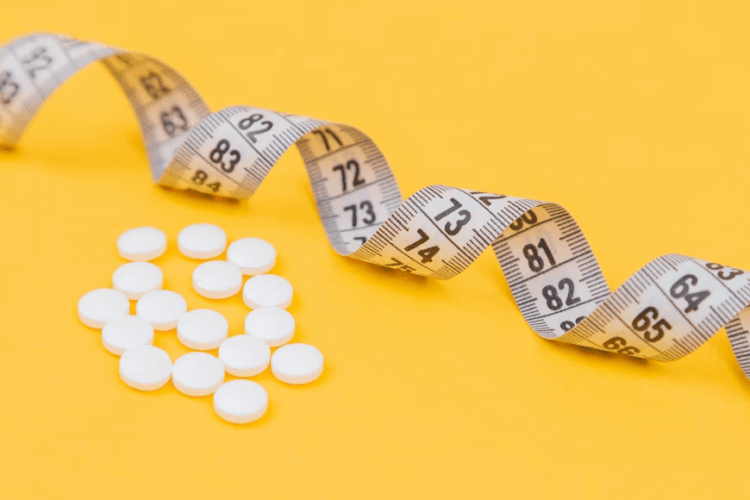
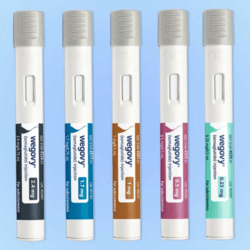
Tovar was right. The emails she received were part of an industry-wide strategy to market injectable weight-loss medication via plus-size influencers. Tovar and other activists have started spreading the word on social media and speaking to the press.

As profits explode from sales of its drugs Wegovy and Ozempic, Novo Nordisk has created marketing campaigns that address body-positive communities. WeightWatchers is hyping its new WeightWatchers Clinic, focused on injectable weight-loss drugs, via paid promotions with social media influencers.

This push from the weight-loss industry is creating ideological rifts in body-positivity communities.


This is an excerpt. Read the original post here

Related Articles

Infographic: Global regulatory and health research agencies on whether glyphosate causes cancer

Infographic: Global regulatory and health research agencies on whether glyphosate causes cancer

Does glyphosate—the world's most heavily-used herbicide—pose serious harm to humans? Is it carcinogenic? Those issues are of both legal and ...

Most Popular

ChatGPT-Image-Mar-10-2026-01_39_01-PM
Viewpoint—“Miracle molecule” debunked: Why acemannan supplements don’t work
Screenshot-2026-10-14-at-11.45.36-AM
Viewpoint: RFK Jr.’s stacked FDA advisory council endorses multicancer screening test from ethically- questionable company that would increase false positives and waste billions of dollars
Screenshot-2026-10-08-at-10.41.33-AM
Viewpoint: Wellness patches: Most vitamin supplements are useless and sometimes even dangerous, but this craze is even worse
Open-Menthol-Cigarette-Pack
How the tobacco industry conspired with conservative activists to kill the Biden administration’s proposed ban on menthol cigarettes 
newborn baby spit up gerd
Vaccine-preventable congenital infections are a leading driver of autism
glp menu logo outlined

Get news on human & agricultural genetics and biotechnology delivered to your inbox.















