
The U.S. Chamber of Commerce estimates the nation’s tort system cost the U.S. economy $443 billion in 2020, a sum equivalent to more than 2 percent of the entire U.S. GDP, which serves as a stark testament to its economic significance. Far too much of that staggering amount comes not from legitimate suits helping injured parties, but from mass tort litigations engineered by rent-seeking attorneys.
These lawsuits (often involving thousands of claimants) are fueled by an insidious cycle of television and internet advertising spending designed to find potential claimants. These flashy and misleading ads promise big payouts for people who think they might have suffered harm from a product, whether it be a pharmaceutical drug, medical device, or other consumer good, even if the link between the targeted product and any real harm is dubious at best.
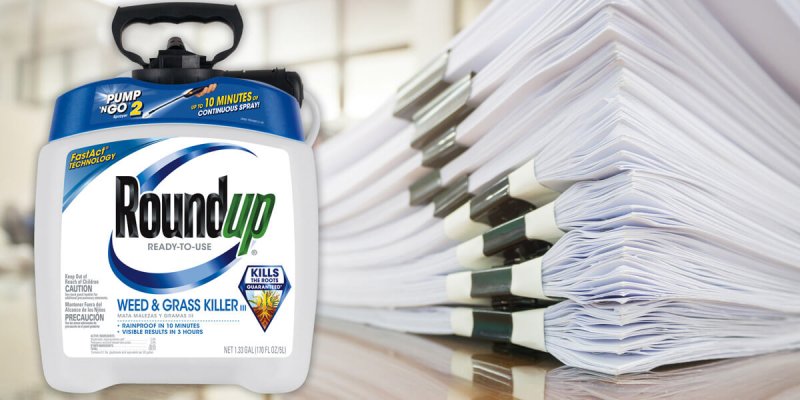
The scripts of the ads, meticulously written to bring in the maximum number of participants, frequently peddle allegations that are often based on junk science or speculation not backed up by fact. The litigation centered on the weed killer Roundup is a great example of how this broken system operates.
…
 16.4 million ads: Tort law firm suits targeting cutting edge technologies like genetically modified crops and chemicals surged more than 260% in the last 8 years with glyphosate at the top of the list
 Facing mounting number of glyphosate lawsuits, Bayer offers 5-point plan to address future Roundup weedkiller claims



Civil tort litigation is an essential part of the American legal system. But it cannot continue to be abused for the benefit of greedy attorneys and their investor partners. The imperative for reform is undeniable, as the integrity of the justice system hangs in the balance.