37 Nobel laureates and 1,500 researchers are calling for relaxation of EU gene editing regulations

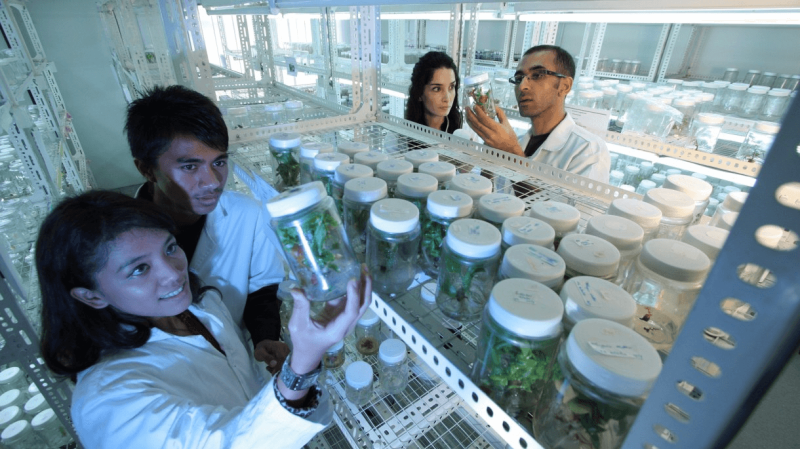
laboratory
Credit: Chicago Council on Global Affairs

As regulations on genetic technology are now to be reassessed in both Norway and the EU, researchers are hoping for a more scientific and evidence-based approach to the law.

Recently, 37 Nobel laureates and 1,500 researchers signed an open letter to the EU Parliament, where they requested less strict regularions for the use of genetic technology.

Follow the latest news and policy debates on sustainable agriculture, biomedicine, and other ‘disruptive’ innovations. Subscribe to our newsletter.

Researchers at the Norwegian Institute of Bioeconomy (NIBIO) also hope for a relaxation of the law to enable the use of CRISPR to address challenges in agriculture, food security, and climate.

They are already using CRISPR in projects involving the shelf life of apples and lettuce, removal of plant viruses, and the development of potato varieties that are less susceptible to blight.

However, [plant virus researcher at NIBIO Carl Jonas Jorge Spetz] believes it is equally important to develop plants with various biosensors – for example, plants that can detect high emissions of carbon dioxide.

“Through genetic technology, we might be able to stop using plastics. We can stop using minerals. We can have plants that can detect human viruses. Imagine having an oregano plant. When you feel sick one day, you take a leaf and bite into it. If it changes colour, you’re sick. There are countless things we could do if we were allowed,” says Spetz.


Related Articles

Infographic: Global regulatory and health research agencies on whether glyphosate causes cancer

Infographic: Global regulatory and health research agencies on whether glyphosate causes cancer

Does glyphosate—the world's most heavily-used herbicide—pose serious harm to humans? Is it carcinogenic? Those issues are of both legal and ...

Most Popular

Picture1
Hiroshima at 81: America’s new nuclear bomb, a buried Iranian target, and a question no one wants to ask
ChatGPT-Image-Jul-31-2026-07_35_35-AM
Wikipedia has assembled an informative list of fake news websites from across the ideological spectrum
ChatGPT Image Jul 29, 2026, 09_08_15 AM 2
The retreat of environmental extremism: Why activist NGOs are losing favor
ChatGPT Image Jul 31, 2026, 08_05_37 AM
With trust in RFK, Jr.'s CDC vaccine advice collapsing, physicians scramble to fill the information gap
ChatGPT-Image-Mar-10-2026-01_39_01-PM
Viewpoint—“Miracle molecule” debunked: Why acemannan supplements don’t work
Screenshot-2026-07-31-at-9.37.42-AM
Obsessing about ultra-processed foods but ignoring what matters far more: A balanced diet
ChatGPT Image Jul 29, 2026, 10_17_59 AM
Viewpoint: What does it mean when critics of conventional agriculture say many fruits and vegetables are “linked” to pesticide poisoning?
Screenshot-2026-08-03-at-2.15.16-PM
Viewpoint: Trump’s relaxed controls on supplying China with microchips could undermine U.S. AI dominance
Screenshot-2026-07-31-at-10.10.55-AM
Viewpoint: ‘Misinformation' about the effects of offshore wind turbines on marine life could derail offshore wind farm projects 
ChatGPT Image Jul 29, 2026, 06_26_01 PM 2
Facts & Fallacies podcast: Organic food myths make a comeback on Instagram, with Dr. Kevin Folta
leeteam
How Kennedy and his family could pocket millions from Merck’s $50 million vaccine injury settlement that he oversaw
Screenshot-2026-07-30-at-3.07.42-PM
Controversy over WNBA star Sophie Cunningham’s comment opposing trans females in women’s sports reinvigorates the culture wars
ChatGPT-Image-Jul-10-2026-12_21_03-PM
Viewpoint: Is there new evidence that the animal deworming drug ivermectin decreases the risk of Covid and cancer? Don’t waste your money.
glp menu logo outlined

Get news on human & agricultural genetics and biotechnology delivered to your inbox.