A scientist’s political and social values may, of course, influence her selection of topics to study — that is perfectly legitimate. But those values should be carefully put to the side when evaluating the evidence.
…
This, anyway, has been the official policy of the scientific community for the past three centuries — implemented imperfectly, to be sure, but nevertheless functioning as an important regulative ideal. But times have changed: now ideology threatens openly to corrupt the truth-seeking enterprise that we call science.
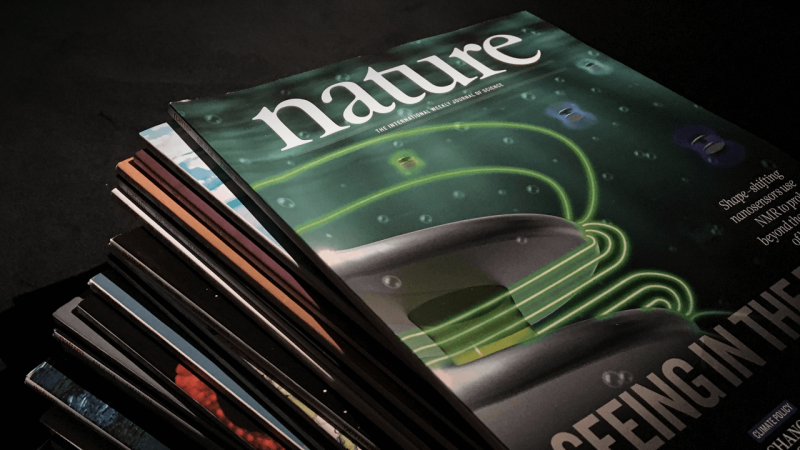
Two years ago, the prestigious journal Nature issued a new “ethics guidance” concerning proposed submissions. But the guidance does not pertain simply to the protection of human research subjects; that issue has been strictly regulated for decades. Nor is it about restricting the publication of information that poses serious material dangers, such as facilitating the production of nuclear or biological weapons. Rather, the guidance purports to address other forms of “harm” that could be caused by a scientific publication. And on these grounds, the editors arrogate to themselves an astoundingly broad power.

That vague and subjective language is an open door to ideological censorship of valid scientific contributions — a censorship that the editors do not even attempt to disguise. It is therefore imperative to evaluate the justifications that the editors of Nature have offered in support of this brave new policy.