Milk without cows? As bird flu crisis persists, biotechnology may offer safer workaround

dairyreporter

The outbreak of avian influenza on US dairy farms has started to make milk seem a lot less wholesome. Milk that’s raw, or unpasteurized, can actually infect mice that drink it, and a few dairy workers have already caught the bug.

The FDA says that commercial milk is safe because it is pasteurized, killing the germs. Even so, it’s enough to make a person ponder a life beyond milk—say, taking your coffee black or maybe drinking oat milk.

But for those of us who can’t do without the real thing, it turns out some genetic engineers are working on ways to keep the milk and get rid of the cows instead. They’re doing it by engineering yeasts and plants with bovine genes so they make the key proteins responsible for milk’s color, satisfying taste, and nutritional punch.

The proteins they’re copying are casein, a floppy polymer that’s the most abundant protein in milk and is what makes pizza cheese stretch, and whey, a nutritious combo of essential amino acids that’s often used in energy powders.


Follow the latest news and policy debates on sustainable agriculture, biomedicine, and other ‘disruptive’ innovations. Subscribe to our newsletter.

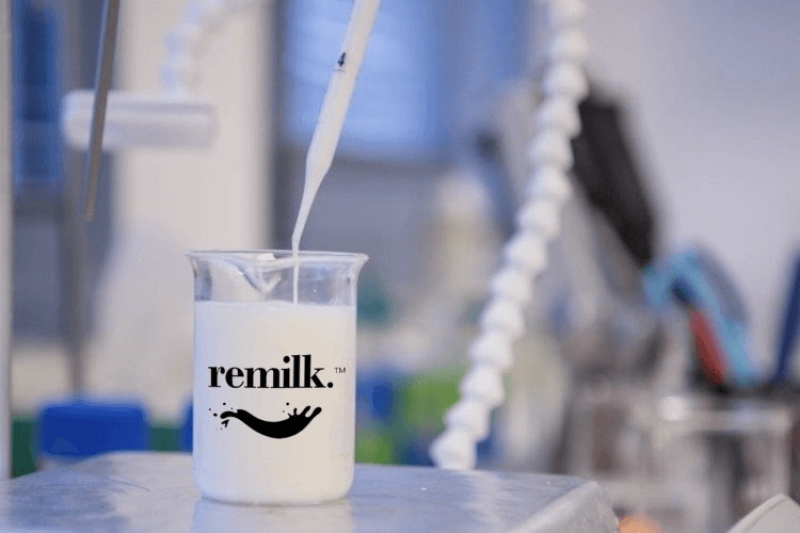
One of the milk innovators is Remilk, an Israeli startup founded in 2019, which has engineered yeast so it will produce beta-lactoglobulin (the main component of whey). Company cofounder Ori Cohavi says a single biotech factory of bubbling yeast vats feeding on sugar could in theory “replace 50,000 to 100,000 cows.”


This is an excerpt. Read the original post here

{{ reviewsTotal }}{{ options.labels.singularReviewCountLabel }}
{{ reviewsTotal }}{{ options.labels.pluralReviewCountLabel }}
{{ options.labels.noReviewsLabel }}
{{ options.labels.newReviewButton }}
{{ userData.canReview.message }}

Related Articles

Infographic: Global regulatory and health research agencies on whether glyphosate causes cancer

Infographic: Global regulatory and health research agencies on whether glyphosate causes cancer

Does glyphosate—the world's most heavily-used herbicide—pose serious harm to humans? Is it carcinogenic? Those issues are of both legal and ...

Most Popular

ChatGPT-Image-Mar-10-2026-01_39_01-PM
Viewpoint—“Miracle molecule” debunked: Why acemannan supplements don’t work
Screenshot 2025-09-17 at 12.41
Misinformation alert: No, glyphosate use in Canadian forests is not spurring more wildfires
Screenshot 2026-07-11 094410
Growing animal muscle and fat cells inside rice grains and calling it beef: One of numerous genetically engineered products shaking up our ecosystem
ChatGPT-Image-Jun-25-2026-12_23_17-PM
No, Bill Gates did not secretly engineer ticks to promote veganism
Screenshot 2026-07-16 at 8.49
Pete Hegseth’s bizarre Viagra commercial as Trump administration endorses ‘hormone replacement therapy’
Screenshot-2026-07-16-at-11.32.12-AM
Viewpoint: Trump appoints climate change hoax promoter to head influential government policy project
file-f-d-d-
Facts & Fallacies Podcast: Europe's AC debacle underscores fatal flaw in green activism

Sorry. No data so far.

glp menu logo outlined

Get news on human & agricultural genetics and biotechnology delivered to your inbox.