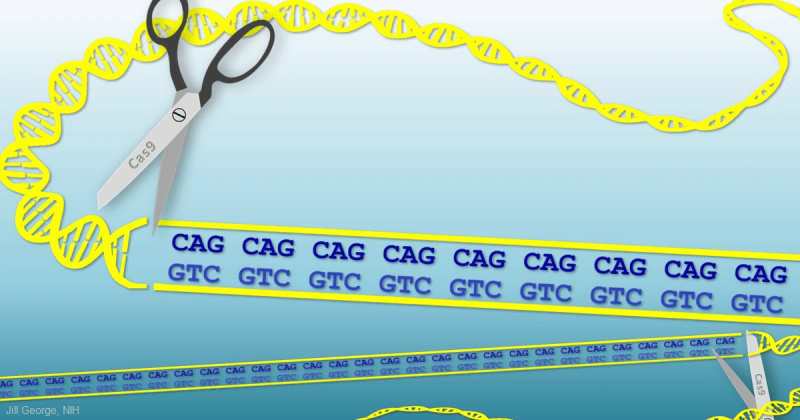
The potential of CRISPR gene-editing technology was realized six months ago, when the Food and Drug Administration approved the first therapy that uses the system to treat sickle-cell anemia. Now, scientists are setting their sights on more complex molecular targets.
Intellia Therapeutics… said its CRISPR-based treatment for hereditary angioedema — a rare genetic disorder that causes severe swelling in the body — reduced those attacks by an average of 98% each month in the first 10 patients who received the therapy.
Dozens of other CRISPR-based therapies are in clinical trials but the treatments can cost millions of dollars and have unintended side effects like inadvertently targeting the wrong genetic sequence.
…

Gene integration is one approach being hotly pursued to treat certain diseases in which cells don’t make enough of a certain protein. It involves splicing the correct DNA sequence into the genome so more of the protein is produced.
“It’s this last big bottleneck, which a lot of people are working on,” said Jonathan Gootenberg, a Harvard Medical School professor and co-founder of Tome Biosciences, a biotech company focused on gene integration technologies.