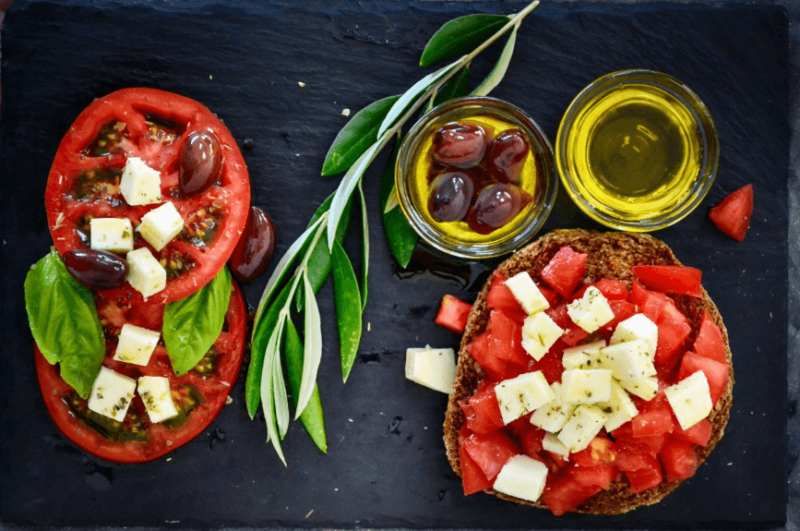
Not just a fad: The ‘Mediterranean diet’ has been around for over 4,000 years

Credit: PxHere via CC0-1.0

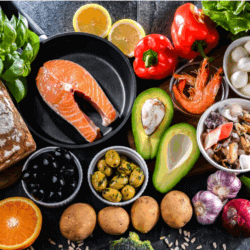
Even 4,000 years ago, people in the Mediterranean knew what was good for them. A new study found ancient Syrians ate similarly to what we now call the Mediterranean diet, which is today touted for its many health benefits.

“The human diet was relatively low in animal protein and appears comparable to what is considered today a typical Mediterranean diet consisting of bread (wheat/barley), olives, grapes, pulses, dairy products and small amounts of meat,” [University of Leuven archeological chemist Benjamin] Fuller and colleagues write in their paper.

Follow the latest news and policy debates on sustainable agriculture, biomedicine, and other ‘disruptive’ innovations. Subscribe to our newsletter.

While their reliance on plant consumption may have emerged out of necessity, freeing up their animals for other uses, the ratio of meats to fruit, grains, and vegetables still proves to be the healthiest option today, for both our own wellbeing and the environment’s.
Members of the ancient society must have been able to produce enough food from their crops, indicating their land was fertile. This correlates with the region’s known olive oil production.

These findings reveal that a Mediterranean-like diet has helped sustain humanity for millennia. But this diet also emerged in a fertile environment with a relatively stable climate.


This is an excerpt. Read the original post here

{{ reviewsTotal }}{{ options.labels.singularReviewCountLabel }}
{{ reviewsTotal }}{{ options.labels.pluralReviewCountLabel }}
{{ options.labels.newReviewButton }}
{{ userData.canReview.message }}

Related Articles

Infographic: Global regulatory and health research agencies on whether glyphosate causes cancer

Infographic: Global regulatory and health research agencies on whether glyphosate causes cancer

Does glyphosate—the world's most heavily-used herbicide—pose serious harm to humans? Is it carcinogenic? Those issues are of both legal and ...

Most Popular

Picture1
The Orange Bowl without oranges: Can CRISPR save Florida citrus?
global warming
‘Implausible’: Top climate scientists reject worst-case scenario—soaring temperatures and fast-rising sea levels
vax-misinformation-main
Facts & Fallacies Podcast: Limit free speech to blunt social media misinfo?
Screenshot 2026-05-22 at 11.31
‘Realistic and durable’: EPA proposes loosening restrictions on some PFAS ‘forever chemicals.’
ChatGPT Image May 26, 2026, 12_06_53 PM
Fake Ebola cure promoters already cashing in as disinformation videos flood social media
ChatGPT-Image-May-1-2026-11_42_59-AM-2
Viewpoint: NAD is the wellness grifters latest evidence-lite longevity fad. At least the mice are impressed.
Screenshot-2026-05-21-at-12.15.17-PM
UK gene-editing milestone: Livestock barley that increases ruminant value and reduces methane emissions is first-approved CRISPR crop
Screenshot-2026-04-22-at-12.21.32-PM
Viewpoint: Why the retracted Monsanto glyphosate study doesn’t change the science—the world’s most popular herbicide is safe 
ChatGPT Image May 24, 2026, 03_16_36 PM
Here come the biohackers' Enhanced Games—The Olympics for athletes doping up on steroids, hormones and peptides. What’s wrong with that?
Screenshot-2026-05-21-at-3.15.53-PM
Chiropractors may no longer be modern-day snake oil salesmen, but the benefits of their therapy are limited–at best
glp menu logo outlined

Get news on human & agricultural genetics and biotechnology delivered to your inbox.