


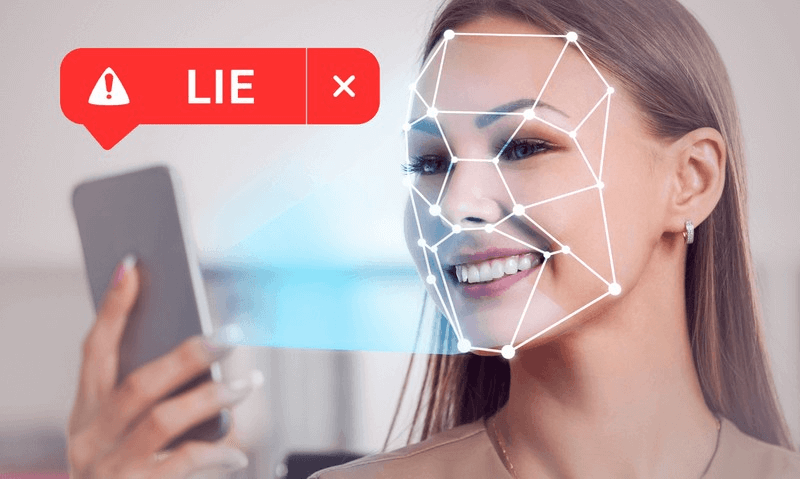

Research has shown that we’re generally pretty bad at telling a truth from a lie.
Some believe that AI could help improve our odds, and do better than dodgy old fashioned techniques like polygraph tests. AI-based lie detection systems could one day be used to help us sift fact from fake news, evaluate claims, and potentially even spot fibs and exaggerations in job applications. The question is whether we will trust them. And if we should.
In a recent study, Alicia von Schenk and her colleagues developed a tool that was significantly better than people at spotting lies. Von Schenk, an economist at the University of Würzburg in Germany, and her team then ran some experiments to find out how people used it. In some ways, the tool was helpful—the people who made use of it were better at spotting lies. But they also led people to make a lot more accusations.
If the price of accurate judgements is the deterioration of social bonds, is it worth it?



And then there’s the question of accuracy. In their study, von Schenk and her colleagues were only interested in creating a tool that was better than humans at lie detection. That isn’t too difficult, given how terrible we are at it. But she also imagines a tool like hers being used to routinely assess the truthfulness of social media posts, or hunt for fake details in a job hunter’s resume or interview responses. In cases like these, it’s not enough for a technology to just be “better than human” if it’s going to be making more accusations.























