A futurist says our species evolves in 3 phases: With 1 down, here’s what may come next

h_evo-scaled-1200x900

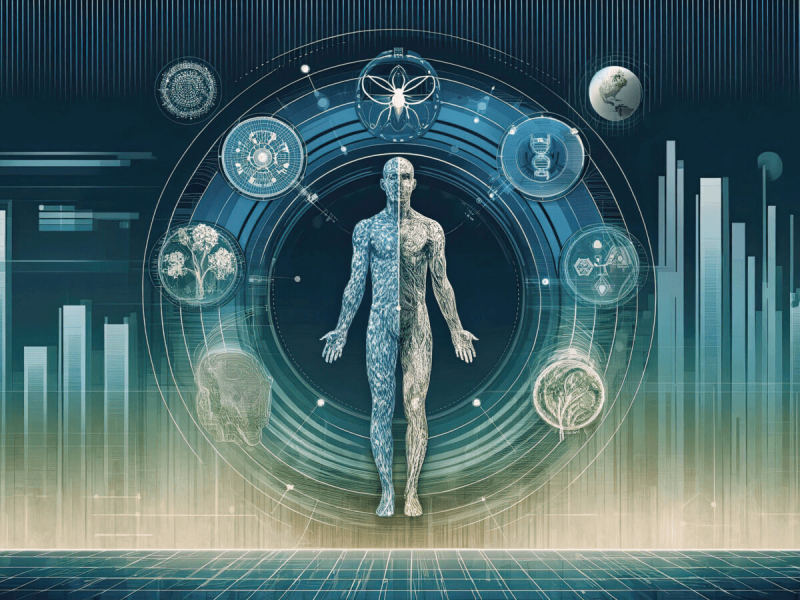
Jeffrey Charles Hardy introduces a three-tiered model of human evolution—the “First, Suspended, and Second Human Evolution.” Standing back and viewing the human trajectory from its pre-historic origin to today and then well into a sustainable future demands an innovative framework for considering how society tackles monumental global challenges, such as climate change, environmental degradation, and overpopulation.

Follow the latest news and policy debates on sustainable agriculture, biomedicine, and other ‘disruptive’ innovations. Subscribe to our newsletter.

This framework begins with the “First Human Evolution,” which began roughly two and a half million years ago. Characterized by humanity’s persistent efforts to conquer nature, it saw its decline in the mid-1950s when humans acquired the capability to obliterate all life on Earth through nuclear destruction. Humanity’s complete domination over nature and each other signified the end of the First Human Evolution.

Hardy believes that recognizing that the First Human Evolution is over will change the game entirely and redirect our focus from dominating nature to examining our own nature and behaviors. This shift ushered humanity into what Hardy calls the “Suspended Human Evolution.” “In this phase, we find ourselves reassessing and moving away from the unsustainable practices of unlimited growth and waste that we inherited from the First Human Evolution. We are in a state of searching for a new path forward,” he remarks.

The phase of human evolution we are in now is suspended because we don’t have a plan for the Second Human Evolution. “It’s yet to be determined and is ours to imagine, discuss, plan, design, and implement,” he adds.


This is an excerpt. Read the original post here

{{ reviewsTotal }}{{ options.labels.singularReviewCountLabel }}
{{ reviewsTotal }}{{ options.labels.pluralReviewCountLabel }}
{{ options.labels.newReviewButton }}
{{ userData.canReview.message }}

Related Articles

Infographic: Global regulatory and health research agencies on whether glyphosate causes cancer

Infographic: Global regulatory and health research agencies on whether glyphosate causes cancer

Does glyphosate—the world's most heavily-used herbicide—pose serious harm to humans? Is it carcinogenic? Those issues are of both legal and ...

Most Popular

Screenshot-2026-04-22-at-12.21.32-PM
Viewpoint: Why the retracted Monsanto glyphosate study doesn’t change the science—the world’s most popular herbicide is safe 
ChatGPT-Image-Apr-16-2026-02_56_53-PM
Financial incentives, over diagnosis, and weak oversight: Autism claims are driving up Medicare costs
Picture1
The FDA couldn’t find a vaccine safety crisis, so it buried its own research
global warming
‘Implausible’: Top climate scientists reject worst-case scenario—soaring temperatures and fast-rising sea levels
ChatGPT-Image-May-1-2026-11_42_59-AM-2
Viewpoint: NAD is the wellness grifters latest evidence-lite longevity fad. At least the mice are impressed.

Sorry. No data so far.

glp menu logo outlined

Get news on human & agricultural genetics and biotechnology delivered to your inbox.