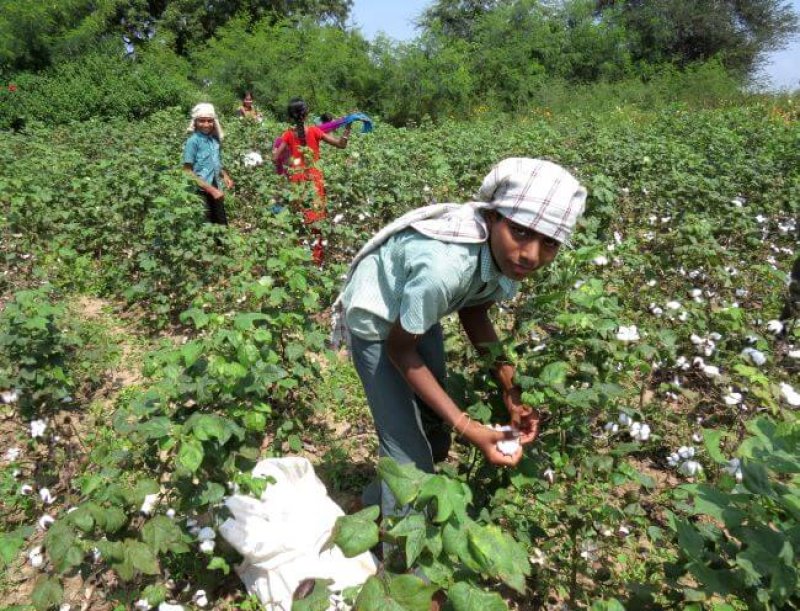
Thanks to the Green Revolution—a period of technology transfer initiatives that saw significantly increased crop yields and agricultural production—it became easier to feed more people with less land. The Green Revolution involved adopting newer methods of cultivation, including mechanization, modern crop varieties, and agrochemicals, including fertilizers, irrigation, pesticides, and herbicides.
Before the Green Revolution, hunger was common. If India, for example, had stuck to its traditional farming methods, millions of people would have starved, particularly children. Once the subcontinent employed modern agricultural techniques between 1965 and 1970, wheat yields nearly doubled in India and Pakistan. That has required only 30 percent more land.
Today, there is a backlash against modern farming methods, mostly from extreme environmentalists who oppose agrochemicals and gene-editing technologies.
…

Agriculture is all about trade-offs. Although they have some negative environmental impacts, agrochemicals help farmers grow more food on less land, which is critical for developing countries that rely on agriculture to combat starvation and for export income.
High-yield output also correlates with positive environmental outcomes by reducing land used for agriculture.