‘Chemical-free weed management has presented challenges’: London council’s decision to ban glyphosate flops, leads to urban weed jungle

Credit: Richard Pohle

As any gardener who has spent the summer bent over their patio knows, tackling weeds is no easy feat. So spare a thought for the London residents who have been left living in an urban jungle after councillors banned weedkillers and instead encouraged them to “embrace biodiversity”.

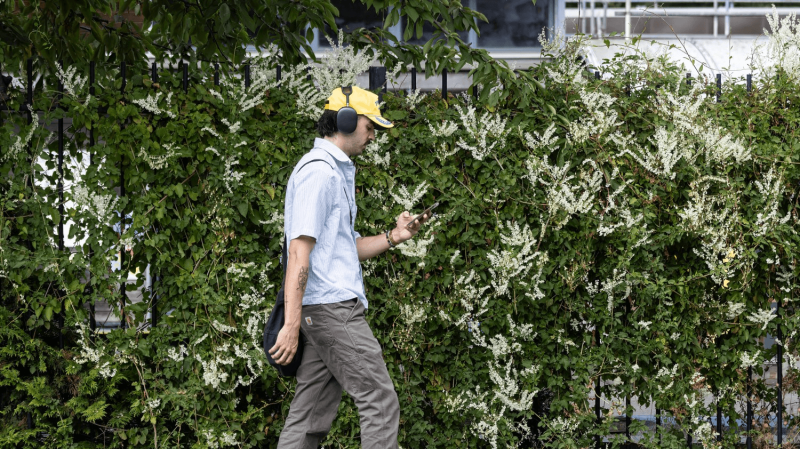
Locals in Lambeth, south London, say the area is “starting to look derelict”, with pavements beset by “4ft-high” weeds. Last week the situation on one pavement got so bad that a Liberal Democrat councillor took matters into her own hands, clearing a thorny weed that had grown to “the size of a small child”.

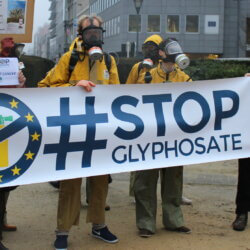
The irate residents are the latest victims of a trend for councils to abolish glyphosate weedkillers — even though scientists are divided as to whether the common herbicide poses a risk to humans. Brighton and Hove made headlines with its own ban in 2019, when it cited research suggesting the chemical harmed bees.

Mis- and disinformation are distorting science and public policy. Subscribe to our Daily and Weekly Digests for incisive coverage of ‘disruptive’ innovations in AI, agricultural biotechnology, food, chemicals, nuclear energy, vaccines, and other disruptive innovations.

Irate residents may take heart that the glyphosate-free experiment has not bloomed into success elsewhere. Weed-strewn pavements led Brighton’s Labour-led council to end the ban earlier this year, reintroducing the herbicide to pavements and roads but letting weeds grow in parks and open spaces. North Lanarkshire council and the Isle of Wight council have also resumed using the weedkiller after previously banning it.


This is an excerpt. Read the original post here

Related Articles

Infographic: Global regulatory and health research agencies on whether glyphosate causes cancer

Infographic: Global regulatory and health research agencies on whether glyphosate causes cancer

Does glyphosate—the world's most heavily-used herbicide—pose serious harm to humans? Is it carcinogenic? Those issues are of both legal and ...

Most Popular

ChatGPT-Image-Mar-10-2026-01_39_01-PM
Viewpoint—“Miracle molecule” debunked: Why acemannan supplements don’t work
ChatGPT-Image-Sep-17-2026-12_28_43-PM
Vitamin D, omega-3 fish oil and glucosamine supplements could cause brain damage 
Screenshot-2026-08-19-at-6.19.42-PM
Facts & Fallacies podcast: 'Regenerative farming'? RFK Jr.’s federal push romanticizes the past and risks food security
Screenshot-2026-08-12-at-11.31.46-AM
AI is helping develop new vaccines
ChatGPT-Image-Aug-28-2026-03_33_46-PM
Viewpoint: Bad science—Five bogus Trump administration claims about vaccines and autism
Screenshot-2026-09-10-at-12.20.19-PM
'Jet fuel didn't melt the steel': 9/11 conspiracy theories debunked
Screenshot-2026-09-14-at-4.31.14-PM
Viewpoint: What’s the likely impact when the EPA loosens rules limiting methane pollution from oil and gas wells?
ChatGPT-Image-Sep-9-2026-02_48_24-PM
Viewpoint: Trump-RFK Jr. report on “Gender Ideology & Left-wing Ideology’ targets LGBTQ community—and science
Eating Nuts Adds up to Longer Life x
For millions with peanut allergies, Nurtured Nuts’ CRISPR gene-edited peanuts could ease the fear of accidental exposure
Screenshot-2026-09-15-at-11.04.54-AM
Viewpoint: Childhood deaths in dispute: Why the CDC vs Pennsylvania conflict over measles vaccines matters
ChatGPT-Image-Sep-13-2026-10_46_11-AM
“Hit the brakes”: Anthropic warns the race to superintelligence could spawn internet-seizing AI swarms—and empower authoritarians. Here’s how to stop it.
ChatGPT-Image-Sep-17-2026-10_17_15-AM
Viewpoint: Why are the less intelligent more likely to be conservative—and smarter people more socially liberal?
glp menu logo outlined

Get news on human & agricultural genetics and biotechnology delivered to your inbox.