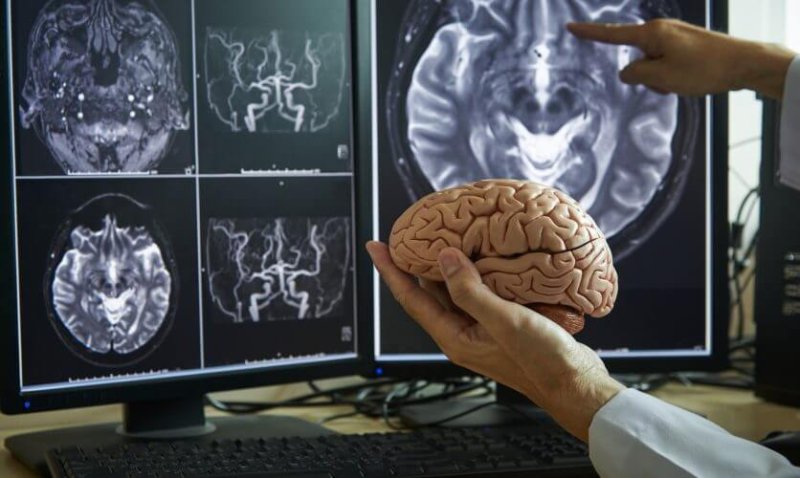
For decades, medical science has classified addiction as a chronic brain disease, but the concept has always been something of a hard sell to a skeptical public. That is because, unlike diseases such as Alzheimer’s or bone cancer or Covid, personal choice does play a role, both in starting and ending drug use. The idea that those who use drugs are themselves at fault has recently been gaining fresh traction, driving efforts to toughen criminal penalties for drug possession and to cut funding for syringe-exchange programs.
But now, even some in the treatment and scientific communities have been rethinking the label of chronic brain disease.
In July, behavior researchers published a critique of the classification, which they said could be counterproductive for patients and families.
…

Nadia, whose father fatally overdosed on fentanyl in 2023, said that defining addiction as a disease lets users off the hook of responsibility.
“It’s difficult to hear people call addiction a disease, like cancer or progressive illnesses,” wrote Nadia, who lives in Minneapolis but asked that her last name be withheld to protect her family’s privacy. “My father chose drugs, time and time again. He missed all three of my graduations, my wedding and the birth of my child, as well as all the milestones of my sister. It’s hard to be told that he can’t control it. That we weren’t important enough for him to overcome it.”