AI-guided personalized brain stimulators in development to pinpoint control depression and chronic pain from Parkinson’s

parkinsons-treatment-super-722x406

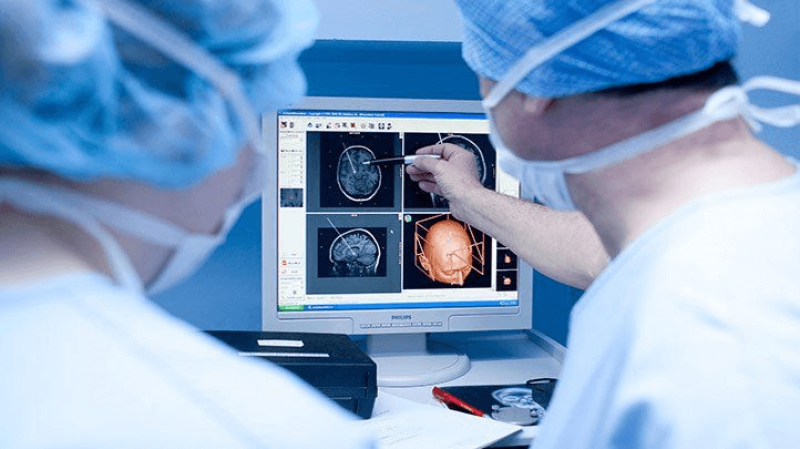
Recent experiments have begun individualizing brain stimulation for depression, obsessive compulsive disorder and chronic pain. While much more research is needed — along with ways to make the approaches pragmatic and affordable — several experts predicted that some versions of brain pacemakers could be available within five or 10 years.

Follow the latest news and policy debates on sustainable agriculture, biomedicine, and other ‘disruptive’ innovations. Subscribe to our newsletter.

In recent years, neuroscientists have identified brain signals that correspond to phases of stiffness, called bradykinesia, and phases of uncontrolled movement, called dyskinesia. In the new study, researchers used methods derived from AI to devise a personalized algorithm for each patient and a way to detect and respond to brain activity as the patient’s symptoms fluctuated.

First, electrodes were implanted in their brains and they received conventional deep brain stimulation for months, until they had benefited as much as they could from that. Then researchers began developing personalized algorithms for the patients, primarily focusing on the symptom each patient found most bothersome.

Most patients went from experiencing their worst symptoms for about 25 percent of the day to about 12 percent of the day…. Adaptive stimulation also decreased those symptoms’ severity.


This is an excerpt. Read the original post here

{{ reviewsTotal }}{{ options.labels.singularReviewCountLabel }}
{{ reviewsTotal }}{{ options.labels.pluralReviewCountLabel }}
{{ options.labels.noReviewsLabel }}
{{ options.labels.newReviewButton }}
{{ userData.canReview.message }}

Related Articles

Infographic: Global regulatory and health research agencies on whether glyphosate causes cancer

Infographic: Global regulatory and health research agencies on whether glyphosate causes cancer

Does glyphosate—the world's most heavily-used herbicide—pose serious harm to humans? Is it carcinogenic? Those issues are of both legal and ...

Most Popular

ChatGPT-Image-Mar-10-2026-01_39_01-PM
Viewpoint—“Miracle molecule” debunked: Why acemannan supplements don’t work
Screenshot 2026-07-11 094410
Growing animal muscle and fat cells inside rice grains and calling it beef: One of numerous genetically engineered products shaking up our ecosystem
file-f-d-d-
Facts & Fallacies Podcast: Europe's AC debacle underscores fatal flaw in green activism
Screenshot-2026-07-16-at-11.32.12-AM
Viewpoint: Trump appoints climate change hoax promoter to head influential government policy project
Screenshot 2026-07-16 at 8.49
Pete Hegseth’s bizarre Viagra commercial as Trump administration endorses ‘hormone replacement therapy’
Screenshot 2025-09-17 at 12.41
Misinformation alert: No, glyphosate use in Canadian forests is not spurring more wildfires
ChatGPT-Image-Jun-25-2026-12_23_17-PM
No, Bill Gates did not secretly engineer ticks to promote veganism
Screenshot-2026-07-16-at-6.02.54-PM
Wellness grifters overwhelm information channels in the developing world, and the problem is escalating
ChatGPT-Image-Jul-9-2026-02_39_22-PM
Viewpoint: Polyphenols or NAD+ supplements to combat aging: No, Gwenyth Paltrow and followers, don’t waste your money.
Screenshot-2026-07-16-at-12.08.38-PM
Viewpoint: With trust in doctors and mainstream medicine collapsing, medical professionals need a new communications strategy
Screenshot-2026-07-08-at-9.36.03-AM
Viewpoint: Long-contained diseases are on the rise in the U.S. Are Trump cuts to blame?

Sorry. No data so far.

glp menu logo outlined

Get news on human & agricultural genetics and biotechnology delivered to your inbox.