

Consider in vitro gametogenesis, or I.V.G., a technology under development that would allow the creation of eggs or sperm from ordinary body tissue, like skin cells. Men could become genetic mothers, women could be fathers, and people could be the offspring of one, three, four or any number of parents.
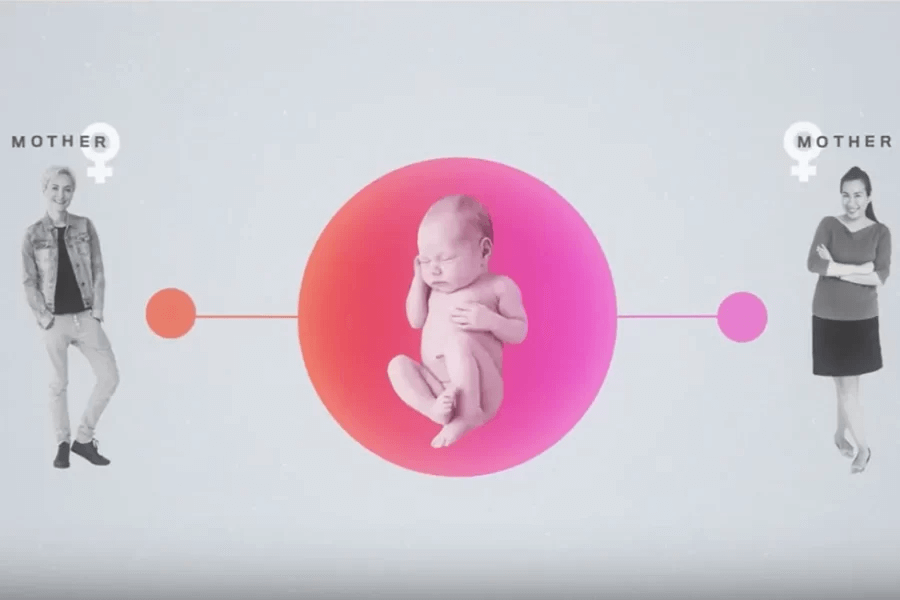
The first baby born via I.V.G. is most likely still a ways off — one researcher predicts it will be five to 10 years until the first fertilization attempt, although timelines for new biotech are often optimistic. But the bioethicist Henry Greely, noting the benefits of allowing same-sex couples to have genetic offspring and I.V.F. parents to pick the most genetically desirable of dozens or even hundreds of embryos, predicts that eventually, a vast majority of pregnancies in the United States may arise from this kind of technology.
Classical-liberal critics of assisted reproductive technology, among whom I count myself, argue that it can unethically turn the arrival of a child, which should be considered a gift, into a project. We undertake projects to realize our own ambitions. We exert control, select useful material to meet desired outcomes and throw out waste.