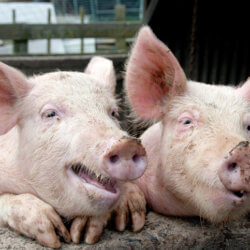
Gene-edited pigs resistant to porcine reproductive and respiratory syndrome (PRRS) could be a commercial reality as soon as 2026 in the U.S., but one expert says it’s unclear how Canada’s regulatory system will respond.
“Based on the science that they’ve used so far to create the gene editing decisions that they’ve made, I would expect that gene editing in a pig should proceed without any additional risk assessments,” said Stuart Smyth, a researcher at the University of Saskatchewan who has specialized in biotechnology regulation.
…
Currently in Canada, gene-edited plants don’t require additional safety checks if the final plant product doesn’t contain foreign DNA. Similarly, gene editing can’t introduce or increase a known allergen or toxin of key nutritional composition, and it can’t change the food use of the plant.




Smyth said the science that led regulators to that decision could also be applied to animals.
“As long as what’s being put forward doesn’t have any difference in risk profile, it would be difficult to imagine why you would need to have a different regulatory system,” he said.