


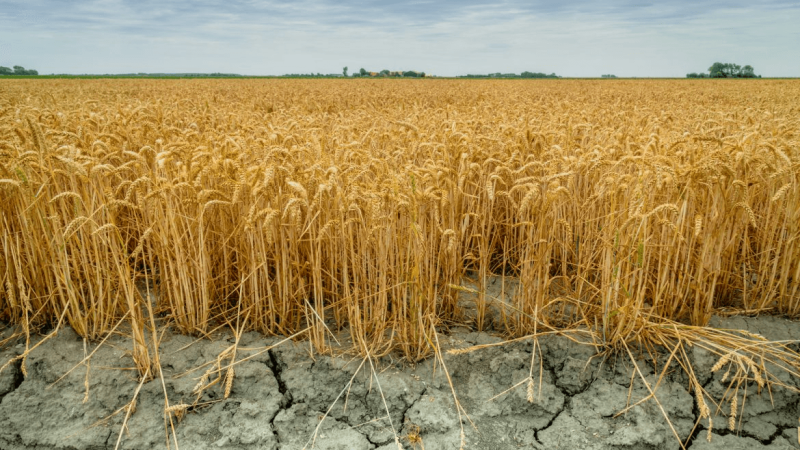

Modern wheat can thank its “wild relatives” — grassy cousins millions of years old and tested through extremes of earth’s climate — for most of its resistance genes. Today, wheat is the most widely grown crop on Earth, providing 20% of all human protein and calories and serving as the primary staple food for 1.5 billion people in the Global South.
However, with its future under threat, standard breeding approaches can no longer keep up with the pace of climate change. Research shows that climate shifts from 1980-2008 reduced wheat harvests by 5.5%, and global wheat production falls 6% for every degree-centigrade increase in temperature.
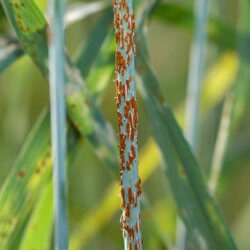
Despite such remarkable achievements in wheat breeding, we’ve only scratched the surface of the genetic potential in wheat’s wild relatives. With climate change intensifying and the rapid evolution and spread of pathogens — a new strain of fungus can circulate in the jet stream—it’s imperative that we increase investment in researching this largely untapped genetic diversity. Doing so could revolutionize wheat production, ensuring food security while dramatically reducing agriculture’s environmental footprint.



Wheat science urgently requires enhanced investments to scale up genetic studies of wild relatives, utilizing next-generation breeding tools. These tools include gene sequencing technologies, big-data analytics, and remote sensing technologies. Satellite imagery makes the planet a laboratory, allowing researchers to monitor traits like plant growth or disease resistance globally. Artificial intelligence can super-charge breeding simulations and quickly identify promising genes that enhance climate-resilience.
























