


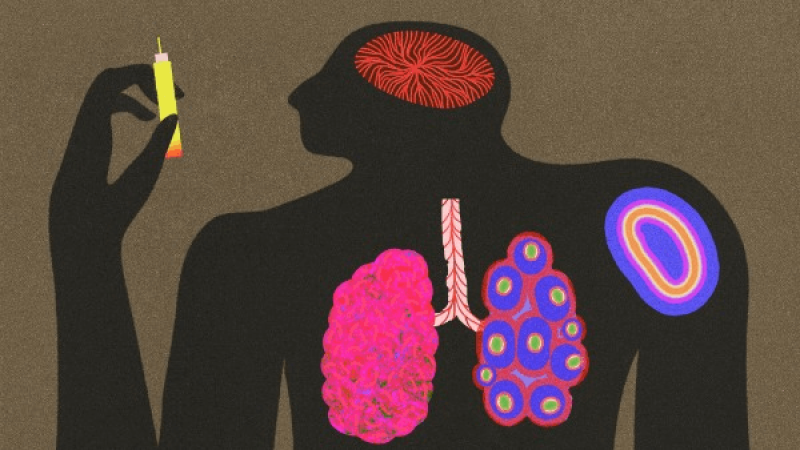

Animal studies and analyses of electronic health records suggest that the latest wave of weight-loss drugs — known as glucagon-like peptide 1 (GLP-1) receptor agonists — cut many kinds of craving or addiction, from alcohol to tobacco use. … [They] can reduce the risk of death, strokes, and heart attacks for people with cardiovascular disease or chronic kidney ailments, ease sleep apnoea symptoms and even slow the development of Parkinson’s disease. There are now hundreds of clinical trials testing the drugs for these conditions and others as varied as fatty liver disease, Alzheimer’s disease, cognitive dysfunction and HIV complications….
“We’re in a phase where GLP-1-based drugs are being considered as potential cures for every condition under the Sun,” says Randy Seeley, an obesity specialist at the University of Michigan in Ann Arbor, who has consulted for and received research funding from several firms that develop obesity drugs.
…





Tamas Horvath, a neuroscientist at Yale University in New Haven, Connecticut, questions the portrayal of these medications as a cure-all — especially because researchers still don’t know what the long-term effects might be. “We don’t know the outcomes of using them continuously for years and decades,” he says.























