Scientific fraud kills people — but it’s not illegal. What should be done?

Credit: Laborde Earles Injury Lawyers
[O]ne of the cases was when a woman delivered a stillborn baby at her home about six or seven months into pregnancy. Bach said that when the woman went to make funeral arrangements, the funeral home alerted authorities and the woman was charged with homicide.

Unfortunately, fraud and misconduct in the scientific community [aren’t] nearly as rare as one might like to believe. [T]he consequences of being caught are frequently underwhelming…. Sometimes, scientists alleged to have falsified their data file frivolous lawsuits against their peers who point it out, further silencing anyone who would speak out about bad data. [T]his behavior can have high stakes, and can dramatically affect treatment options for patients.

In cases where research dishonesty is literally killing people, shouldn’t it be appropriate to resort to the criminal justice system?


Mis- and disinformation are distorting science and public policy. Subscribe to our Daily and Weekly Digests for incisive coverage of ‘disruptive’ innovations in AI, agricultural biotechnology, food, chemicals, nuclear energy, vaccines, and other disruptive innovations.

In some ways, a legal statute isn’t the ideal solution. Courts are [not] well suited to answering detailed scientific questions and would almost certainly be relying on scientific institutions that conduct investigations…. But in sufficiently severe cases of misconduct, it does seem … that it’d be a major advantage to have an institution outside academia at work on getting to the bottom of these cases. If well designed, a statute that allowed prosecution for scientific fraud could shift the overwhelming incentives to let misconduct go unpunished and move on.
This is an excerpt. Read the original post here

Related Articles

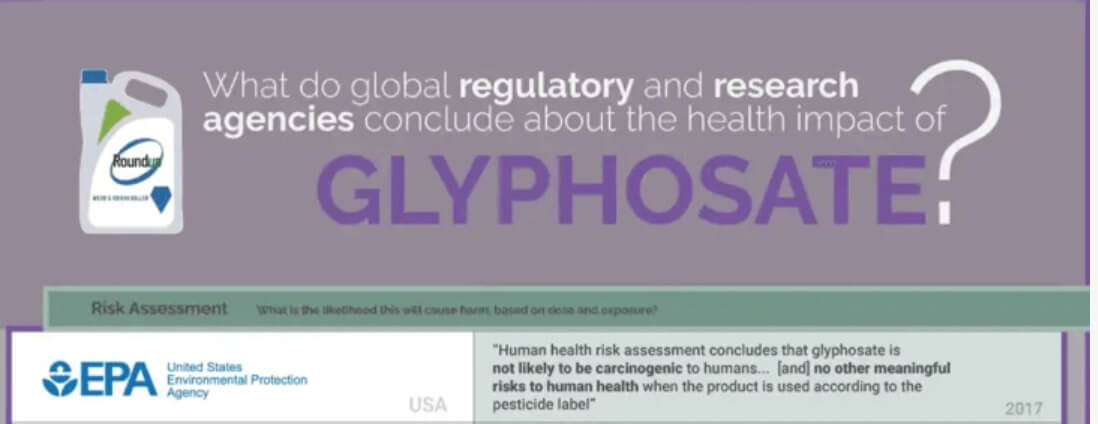
Infographic: Global regulatory and health research agencies on whether glyphosate causes cancer

Infographic: Global regulatory and health research agencies on whether glyphosate causes cancer

Does glyphosate—the world's most heavily-used herbicide—pose serious harm to humans? Is it carcinogenic? Those issues are of both legal and ...

Most Popular

ChatGPT-Image-Mar-10-2026-01_39_01-PM
Viewpoint—“Miracle molecule” debunked: Why acemannan supplements don’t work
Diet Soda with Measuring Tape 2
Science challenges anti-soda activists: No, sodas won’t make you fat
Strawberry Clamshell with Warning Sticker
Viewpoint: Activists hype ‘dangerous level’ of pesticide residues in Driscoll berries: Separating health concerns from fear-mongering
Screenshot 2026-10-16 at 5.38
PFAS in Agriculture: Science, Uncertainty, and Risk Communication
Government Briefing on Autism Trends
Viewpoint: ‘Statistical murder’: Kennedy’s expanding record of “duplicity and mendacity”
Prescription Capsules Scattered on Twenty-Dollar Bills
Facts & Fallacies podcast: America's health care system is broken. A doctor explains how to fix it, Part 2
png_cheese_Raw_milk
100% raw milk, 100% misguided: As MAHA-fueled demand for unpasteurized milk soars, American Academy of Pediatrics renews call for a ban on its sale and distribution
Serene Mature Woman in Abstract Waves
Testosterone’s growing appeal to women: It anecdotally mildly improves sex life, but are there any other potential benefits—or red flags?
Rustic Skillet of Raw Brains
‘Weird food’? Testicle- and brain-eating, supplement-gulping MAHA health food enthusiasts defend their ‘natural’ diets
psychedelics ptsd neurosciencnews public
Chaos or at peace with the world: The complex ways psychedelics transform the brain
Nutrition and Supplements Infinity Collage
Drugs and supplements can extend life and five other longevity myths
Silhouettes Beneath the Mosquito Nets
Guinea-Bissau halts widely condemned RFK Jr.-backed vaccine trial that would have withheld life-saving vaccines from thousands of newborns
glp menu logo outlined

Get news on human & agricultural genetics and biotechnology delivered to your inbox.