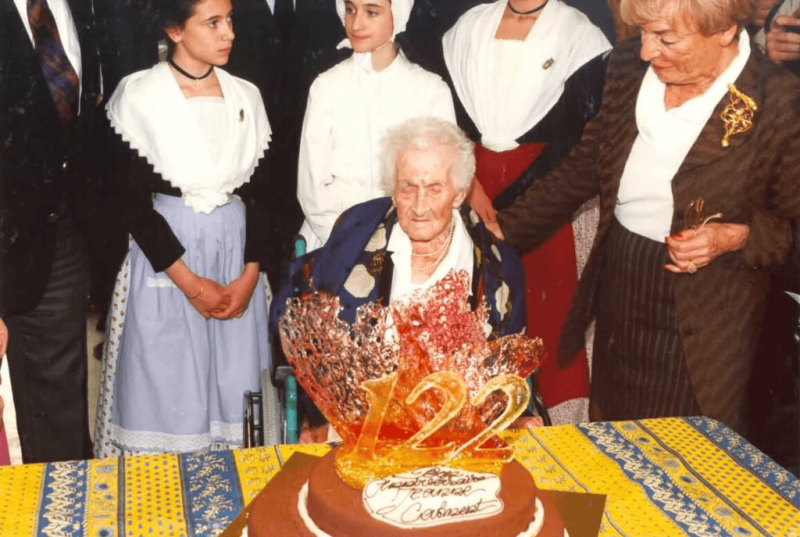

The oldest human on record, Jeanne Calment of France, lived to the age of 122. What are the odds that the rest of us get there, too? Not high, barring a transformative medical breakthrough, according to research published [in] Nature Aging.
“We’re basically suggesting that as long as we live now is about as long as we’re going to live,” said S. Jay Olshansky, a professor of epidemiology and biostatistics at the University of Illinois Chicago, who led the study.
Not everyone agrees. Dr. Luigi Ferrucci, the scientific director at the National Institute on Aging, concurred that we are unlikely to see substantial increases in life span if the status quo is maintained. But he said that investing more in preventive health could change that by delaying the onset of diseases, which in turn could result in “less of that damage that was due to the biology of aging.”
…

For Dr. Olshansky, the only thing that might radically lengthen life expectancy is if scientists develop an intervention to slow the aging process itself — something he’s “optimistic” about, he said.
Dr. [Steven Austad, a professor of biology at the University of Alabama, Birmingham] is also a believer in the potential of anti-aging medicine. And he said that the new paper doesn’t change his bet that a human alive today will reach 150, because it has always been based on “a breakthrough in targeting the aging process itself.”