A new startup has joined the effort to genetically upgrade forests. The chestnut tree is first on their list

Credit: Tripple Brook Farm

Under a slice-of-heaven sky, 150 acres of rolling green hills stretch off into the distance. About a dozen people—tree enthusiasts, conservationists, research biologists, biotech entrepreneurs, and a venture capitalist in long socks and a floppy hat—have driven to this rural spot in New York state on a perfect late-July day.

Follow the latest news and policy debates on sustainable agriculture, biomedicine, and other ‘disruptive’ innovations. Subscribe to our newsletter.
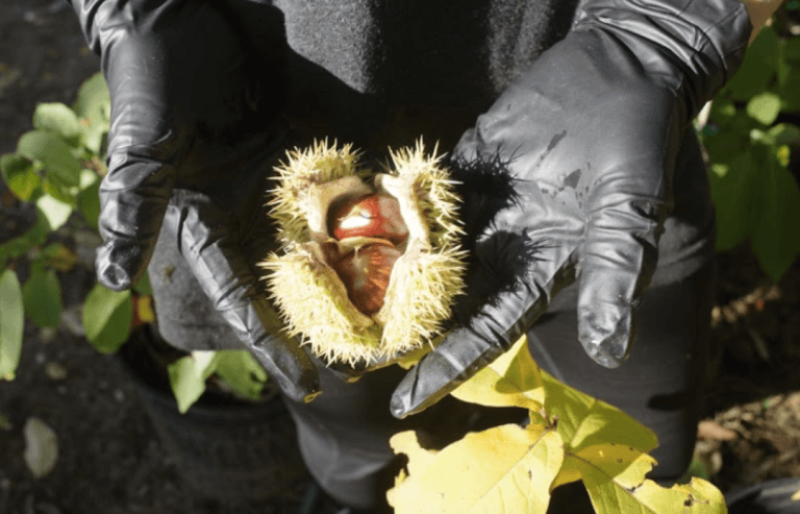
[They] are here to see more than 2,500 transgenic chestnut seedlings at a seed farm belonging to American Castanea, a new biotech startup. The sprouts, no higher than our knees, are samples of likely the first genetically modified trees to be considered for federal regulatory approval as a tool for ecological restoration. American Castanea’s founders, and all the others here today, hope that the American chestnut (Castanea dentata) will be the first tree species ever brought back from functional extinction—but, ideally, not the last.

Nothing like this has ever been tried before. But the self-­proclaimed “nutheads” believe the reintroduction of a GMO, blight-resistant American chestnut at scale could also become a model for how environmentalists can redeploy trees in general: restoring forests and shifting food production, all to combat climate change and biodiversity loss.


This is an excerpt. Read the original post here

{{ reviewsTotal }}{{ options.labels.singularReviewCountLabel }}
{{ reviewsTotal }}{{ options.labels.pluralReviewCountLabel }}
{{ options.labels.newReviewButton }}
{{ userData.canReview.message }}

Related Articles

Infographic: Global regulatory and health research agencies on whether glyphosate causes cancer

Infographic: Global regulatory and health research agencies on whether glyphosate causes cancer

Does glyphosate—the world's most heavily-used herbicide—pose serious harm to humans? Is it carcinogenic? Those issues are of both legal and ...

Most Popular

Screenshot-2026-04-22-at-12.21.32-PM
Viewpoint: Why the retracted Monsanto glyphosate study doesn’t change the science—the world’s most popular herbicide is safe 
ChatGPT-Image-Apr-16-2026-02_56_53-PM
Financial incentives, over diagnosis, and weak oversight: Autism claims are driving up Medicare costs
Picture1
The FDA couldn’t find a vaccine safety crisis, so it buried its own research
global warming
‘Implausible’: Top climate scientists reject worst-case scenario—soaring temperatures and fast-rising sea levels
ChatGPT-Image-May-1-2026-11_42_59-AM-2
Viewpoint: NAD is the wellness grifters latest evidence-lite longevity fad. At least the mice are impressed.

Sorry. No data so far.

glp menu logo outlined

Get news on human & agricultural genetics and biotechnology delivered to your inbox.