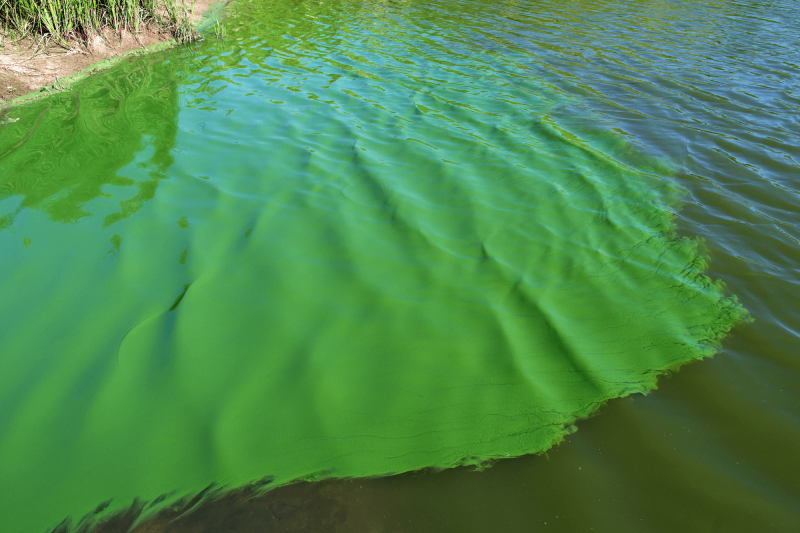
A story about the origins of life in the cosmos starts at Earth’s equator, where Dian Fiantis, a professor of soil science at Andalas University in Indonesia, investigated how seemingly dead environments come back to life. In 2018, she traveled to Mt. Anak Krakatoa (which emerged after the famous Krakatoa’s eruption) to collect the volcanic ash it ejected two months before. In her lab, she found out that volcanic glass (SiO2), the dominant chemical found in the ash, has extremely tiny holes that could store water. “A good place for cyanobacteria to grow,” said Fiantis.
The microbe, which scientists called “nature’s little alchemist,” engineered the surrounding environment so that complex living systems like lichens and vascular plants could grow. Fiantis’ research shows us what happens “before life” in modern circumstances. It might not tell us how life began on the early Earth, but this is the closest contemporary example of the blurry line between life and non-life.