What will the diets of the future look like? The answer depends in part on what foods Westerners can be persuaded to eat.
These consumers are increasingly being told their diets need to change. Current eating habits are unsustainable, and the global demand for meat is growing. Recent years have seen increased interest and investment in alternative proteins — products that can replace factory-farmed meats with more sustainable sources.
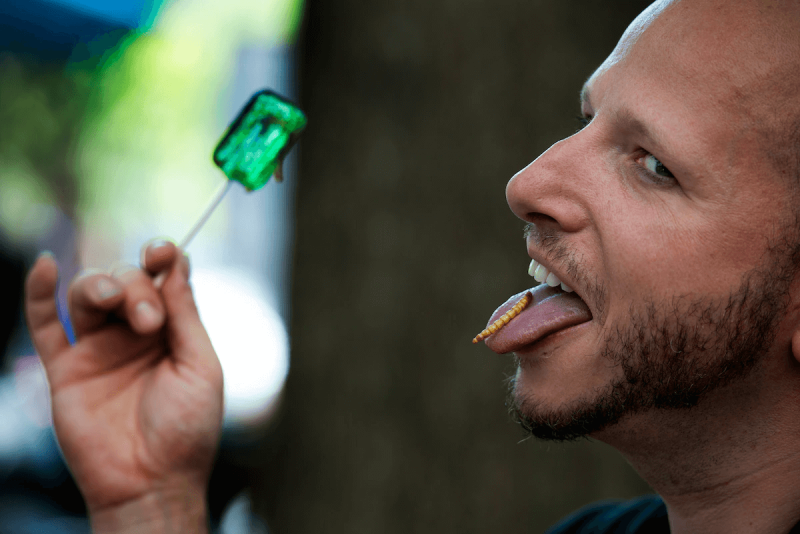
One option is cultivated, or cultured, meat and seafood: muscle tissue grown in labs in bioreactors using animal stem cells. Another approach involves replacing standard meat with such options as insects or plant-based imitation meats. The question is, will consumers accept them?

Disgust and food neophobia — a fear of new foods — are often cited as obstacles to adopting more sustainable food choices, but recent history offers a more complicated picture. Past shifts in food habits suggest there are two paths to the adoption of new foods: One relies on familiarity, the other on novelty.