A scientist’s brainy trip: How psilocybin creates an extraordinary new sense of space, time and self

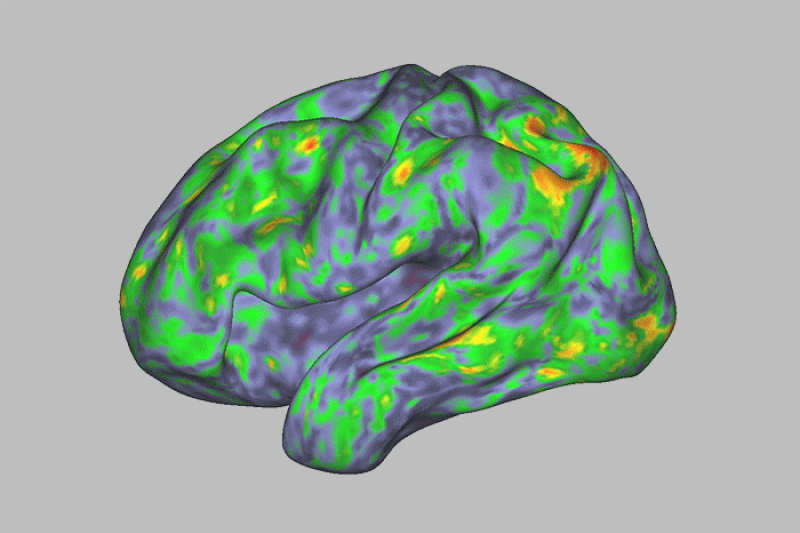
A study finds that psilocybin can desynchronize networks in the brain, potentially enhancing its plasticity.

Credit: Sara Moser/Washington University School of Medicine in St. Louis/NPR
A study finds that psilocybin can desynchronize networks in the brain, potentially enhancing its plasticity. Credit: Sara Moser/Washington University School of Medicine in St. Louis/NPR

In the name of science, Dr. Nico Dosenbach had scanned his own brain dozens of times. But this was the first time he’d taken a mind-bending substance before sliding into the MRI tunnel.

Dosenbach, an associate professor of neurology at Washington University School of Medicine in St. Louis, had been given a high dose of psilocybin, the active substance in magic mushrooms, by his colleagues. It was all part of a study of seven people designed to show how psilocybin produces its mind-altering effects.

Follow the latest news and policy debates on sustainable agriculture, biomedicine, and other ‘disruptive’ innovations. Subscribe to our newsletter.

The results, which appear in the journal Nature, suggest that psychedelic drugs work by disrupting certain brain networks, especially one that helps people form a sense of space, time, and self.

“For the first time, with a really high degree of detail, we’re understanding which networks are changing, how intensely they’re changing, and what persists after the experience,” says Dr. Petros Petridis of New York University’s Langone Center for Psychedelic Medicine, who wrote an editorial accompanying the study.

This is an excerpt. Read the original post here

{{ reviewsTotal }}{{ options.labels.singularReviewCountLabel }}
{{ reviewsTotal }}{{ options.labels.pluralReviewCountLabel }}
{{ options.labels.newReviewButton }}
{{ userData.canReview.message }}

Related Articles

Infographic: Global regulatory and health research agencies on whether glyphosate causes cancer

Infographic: Global regulatory and health research agencies on whether glyphosate causes cancer

Does glyphosate—the world's most heavily-used herbicide—pose serious harm to humans? Is it carcinogenic? Those issues are of both legal and ...

Most Popular

ChatGPT-Image-Jun-15-2026-11_00_13-AM-2
Glucosamine alert: Alzheimer’s progresses faster among those taking the popular supplement
Screen Shot at AM
Facts & Fallacies Podcast: Right-wing politics bad for your health? Separating speculation from science
ChatGPT-Image-Jun-9-2026-01_11_37-PM
Turmeric supplements: More risks than benefits
ChatGPT-Image-Jun-15-2026-12_13_41-PM
Viewpoint: Behind the effort to re-purpose the tobacco attack strategy to fight ultra-processed foods
ChatGPT-Image-Jun-3-2026-04_29_13-PM
Viewpoint: While unvaccinated children are dying overseas, Congress challenges Trump and Kennedy’s block on aid
Screenshot-2026-06-12-at-2.10.55-PM
Physician warns online statin myths delay care and raise heart risk
Screenshot-2026-06-14-at-9.14.26-AM
‘Humanitarian catastrophe’: Trump’s USAID shutdown could help drive nearly 23 million deaths — including 5.4 million children — by 2030, Lancet study warns
ChatGPT-Image-Mar-10-2026-01_39_01-PM
Viewpoint—“Miracle molecule” debunked: Why acemannan supplements don’t work
ChatGPT-Image-Jun-14-2026-09_41_44-AM-2
Viewpoint—‘The gleeful efficiency of an arsonist’: Administration’s health and science research cuts are ‘sabotaging’ America’s future
ChatGPT-Image-Jun-11-2026-01_15_03-PM
Selective Pressure, Selective Silence
Screenshot-2026-06-05-at-2.12.30-PM
Some plants can poison you. So how did humans figure out what is safe to eat?
ChatGPT-Image-Jun-15-2026-10_42_06-AM
Viewpoint: ‘Steroid Olympics’ marketing stunt: ‘It seemed less like a sporting event and more like a loss leader to peddle testosterone injections, GLP-1s, and peptides’
glp menu logo outlined

Get news on human & agricultural genetics and biotechnology delivered to your inbox.