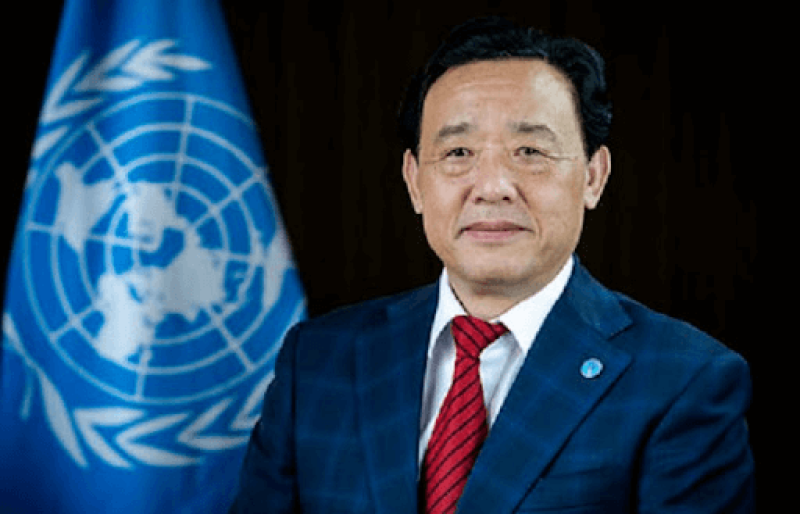
The “genetic revolution” in agriculture powered by gene editing can help preserve access to traditional foods in the future, protecting them from environmental threats, says Qu Dongyu, director-general of the United Nations Food and Agriculture Organization.
“Protecting genetic biodiversity is key to building resilient agrifood systems. By leveraging modern technology to enhance crop diversity, we preserve essential biodiversity and enjoy food diversity,” Qu said Tuesday, the opening of the Norman E. Borlaug International Dialogue in Des Moines, Iowa.
Gene editing, which accelerates the traditional breeding process, can “do more than just improve crop yields; they could also bring people and cultures closer together,” he went on.