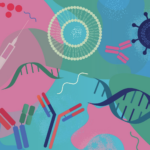
Gene editing embryos: Medically-risky ‘designer babies’ or life-rescuing innovation?

Credit: 
Dr. Neha Singh/LinkedIn
Credit: Dr. Neha Singh/LinkedIn

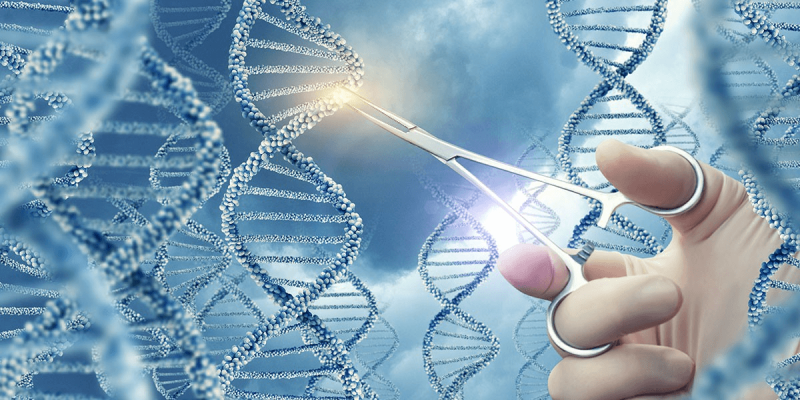
Bring up germline editing, and most scientists cringe. The idea behind the notorious CRISPR-baby scandal, editing reproductive cells or embryos tinkers with DNA far beyond just the patient—any changes, either beneficial or harmful, pass down through generations.

Germline editing is banned in most countries. A Chinese court sentenced He Jiankui, the disgraced scientist first to experiment with editing human embryos, to jail for three years. Now free again, He said in an interview with NPR … that the CRISPRed twins, Lulu and Nana, are healthy and growing normally as toddlers, although he declined to answer more detailed questions about their wellbeing.


Follow the latest news and policy debates on sustainable agriculture, biomedicine, and other ‘disruptive’ innovations. Subscribe to our newsletter.
[His] delinquent experiment sparked universal condemnation but also triggered heavy debate among scientists about the future of germline editing. In theory, if based on solid scientific and clinical foundations, such edits could reduce the chances of inherited diseases down an entire family line. But it’s a slippery slope. When does reducing the risk of inherited breast cancer, diabetes, or Alzheimer’s disease edge into “designer baby” territory?

This is an excerpt. Read the original post here

{{ reviewsTotal }}{{ options.labels.singularReviewCountLabel }}
{{ reviewsTotal }}{{ options.labels.pluralReviewCountLabel }}
{{ options.labels.newReviewButton }}
{{ userData.canReview.message }}

Related Articles

Infographic: Global regulatory and health research agencies on whether glyphosate causes cancer

Infographic: Global regulatory and health research agencies on whether glyphosate causes cancer

Does glyphosate—the world's most heavily-used herbicide—pose serious harm to humans? Is it carcinogenic? Those issues are of both legal and ...

Most Popular

ChatGPT-Image-Apr-20-2026-11_17_18-AM-2
10,000 scientists gone: Trump’s cuts create an unprecedented brain drain
ChatGPT-Image-Apr-17-2026-03_30_52-PM
Food labels, decoded: What they really mean
Screenshot-2026-04-15-at-1.22.58-PM
Anti-biotechnology activists smear hybrid wheat breakthrough that could surge yields in poorer countries
Screenshot-2026-04-20-at-3.34.46-PM
Viewpoint: How do you sell evidence-based health and science in a world where facts don’t matter?
ChatGPT-Image-Apr-20-2026-12_28_36-PM
Vaccine skepticism is a growing global problem
ChatGPT-Image-Apr-21-2026-11_30_48-AM
Stupid study of the month: Eating fresh fruits and vegetables can lead to cancer
Screenshot-2026-04-22-at-4.10.32-PM
Viewpoint — ‘Completely unethical’: RFK, Jr.’s medical ignorance deprives melanoma cancer-sufferers of a life-saving therapy
Screenshot-2026-04-12-135256
Bixonimania: The fake disease scam that AI swallowed whole
ChatGPT-Image-Mar-2-2026-03_22_54-PM
Why ‘support supplements’ for GLP-1 users are mostly a waste of money
images
The never-ending GMO debate: Pros and cons
Screenshot-2026-04-22-at-1.14.34-PM
Latest fevered, right-wing conspiracy: Fox, New York Post, and kooky GOP legislators push ‘Dead Scientists’ scare
glp menu logo outlined

Get news on human & agricultural genetics and biotechnology delivered to your inbox.