Ideological science—How the International Agency for Research on Cancer (IARC) promotes unscientific hysteria about red meat

red-meat-cancer-connection-1030x749

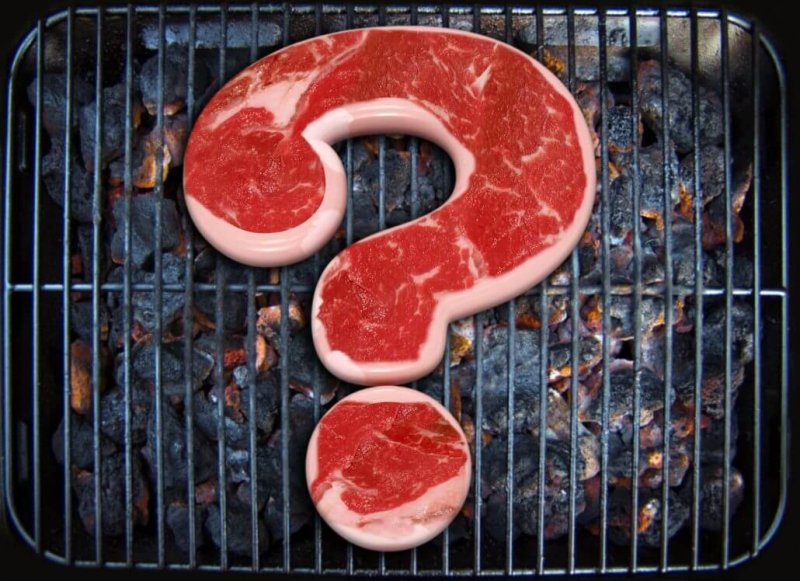
In 2015, the International Agency for Research on Cancer (IARC) of the World Health Organization (WHO) designated processed meats (hot dogs, bacon, ham, sausage, cold cuts) as Group 1 carcinogens, a “certain” cause of cancer, and fresh red meat (beef, pork, lamb) as Group 2A, or “probable” carcinogens.

This IARC announcement was an historic event. For the first time ever, a global health organization had declared a major component of all human diets throughout history to be a likely carcinogen. Yet to support this 2015 claim, the IARC released a mere two-page summary of its findings, in Lancet Oncology. […]

Follow the latest news and policy debates on sustainable agriculture, biomedicine, and other ‘disruptive’ innovations. Subscribe to our newsletter.

Four years after the IARC’s 2015 decision, the most rigorous, comprehensive reviews of red meat ever conducted were published in the prestigious Annals of Internal Medicine. […]

Despite this major review, Bernard Stewart recently wrote to me [Nina Teicholz]: “To my knowledge, the IARC… [has] not been subject to adverse criticism or made aware of a perceived need for additional information to justify the outcomes made, either at the time or since.” Stewart did not reply to further emails asking him about the contradictory conclusions of the GRADE reviews.


This is an excerpt. Read the original post here

{{ reviewsTotal }}{{ options.labels.singularReviewCountLabel }}
{{ reviewsTotal }}{{ options.labels.pluralReviewCountLabel }}
{{ options.labels.noReviewsLabel }}
{{ options.labels.newReviewButton }}
{{ userData.canReview.message }}

Related Articles

Infographic: Global regulatory and health research agencies on whether glyphosate causes cancer

Infographic: Global regulatory and health research agencies on whether glyphosate causes cancer

Does glyphosate—the world's most heavily-used herbicide—pose serious harm to humans? Is it carcinogenic? Those issues are of both legal and ...

Most Popular

organic scaled
Facts & Fallacies podcast: Organic food cuts pesticide exposure? A response to Dr. Rhonda Patrick
ChatGPT-Image-Jul-26-2026-05_58_17-PM
Louisiana and Texas bring RFK,Jr.- MAHA-backed restrictions on dyes and other ‘controversial’ ingredients to eight states
ChatGPT-Image-Mar-10-2026-01_39_01-PM
Viewpoint—“Miracle molecule” debunked: Why acemannan supplements don’t work
ChatGPT-Image-Jul-22-2026-09_13_07-AM
Viewpoint—The Strategic Litigation boom: Understanding the tightening coalition among NGOs, foundations, journalists, and tort lawyers
ChatGPT-Image-Jul-26-2026-05_35_53-PM
FDA takes up peptide therapies as hype outpaces science
Screenshot-2026-07-07-at-12.55.44-PM
Viewpoint: Yes, we can adapt to a changing climate without devastating the environment and the economy
Screenshot-2026-07-23-at-11.58.47-AM
Viewpoint: ‘Thought police in the UK?’ Conservatives lash out at government report calling anti-LGBQT+ narratives ‘false and misleading’
ChatGPT-Image-Jul-9-2026-11_33_49-AM
Viewpoint: High-dose resveratrol supplements to extend health and life? Don’t waste your money.
ChatGPT-Image-Jul-10-2026-09_42_12-AM-1
Peptides, patient autonomy, and the limits of medical freedom
IVF Rex
Poll: Younger people more open to using genetics to increase fertility and reduce chances of inherited diseases 
ChatGPT-Image-Jul-6-2026-02_25_26-PM
40 million Americans take glucosamine. If you have memory loss, it could accelerate cognitive decline.
How to Include More Strawberries in Your Diet
Strawberries are berries—and 35 other surprising food and drink myths
glp menu logo outlined

Get news on human & agricultural genetics and biotechnology delivered to your inbox.